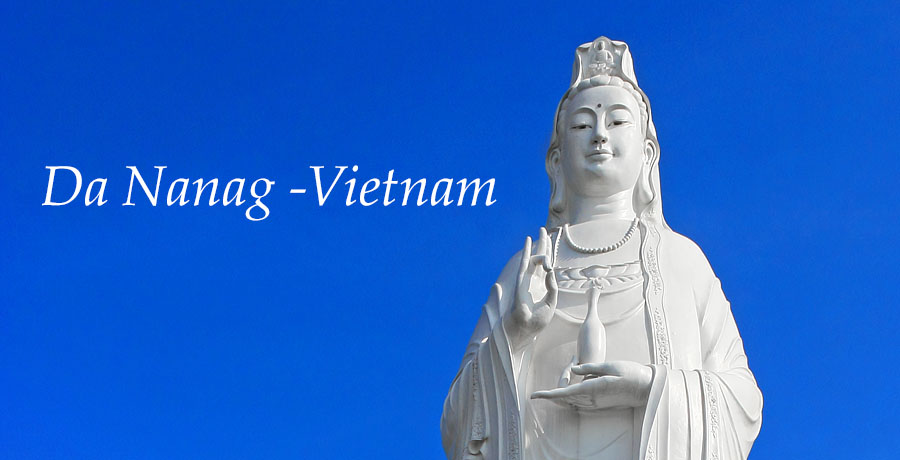
Once a brief stopover city, Da Nang in recent years has emerged as a fast-growing longer holiday destination.
Having visited certain extraordinary places in Northern Vietnam, I was looking forward to a return trip elsewhere in the country. Da Nang at first did not quite appeal to me. Essentially, it is sold as a seaside resort, with a splash of local attractions. However, it’s also the day trips from the city that eventually convinced me to take a short flight from Hanoi.
Da Nang may not be blessed with a plethora of temples and historical sights like some other places in Vietnam. Nevertheless, there’s enough in the city and nearby incentives to afford a trip. Step into cosy traditional coffee shops and indulge in excellent dining opportunities. Then, immerse yourself in the warm hospitality of the Vietnamese, culminating in a memorable holiday.
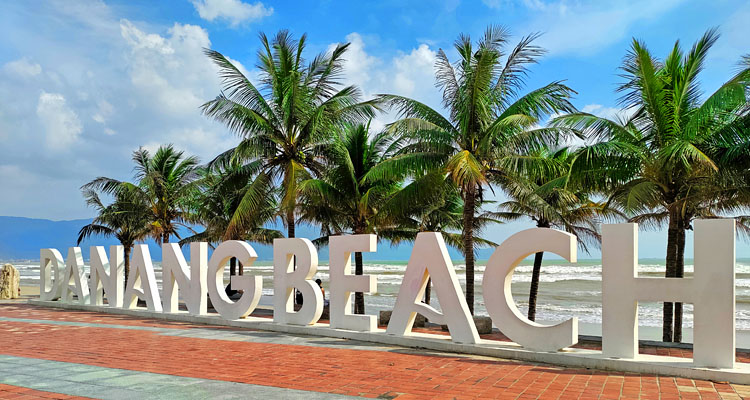
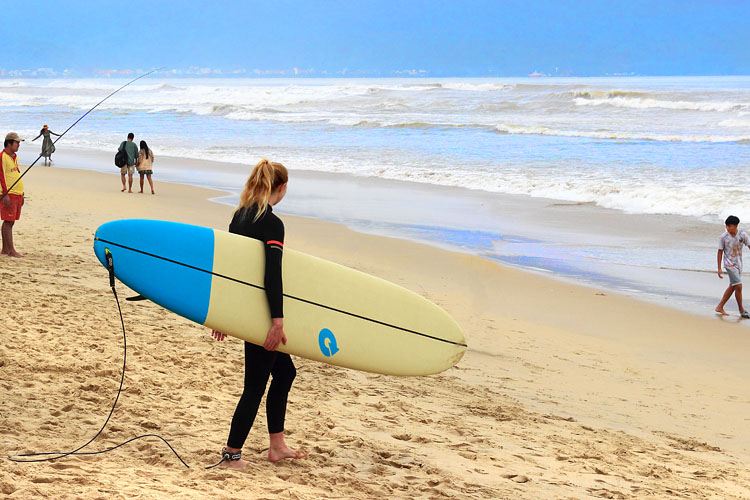
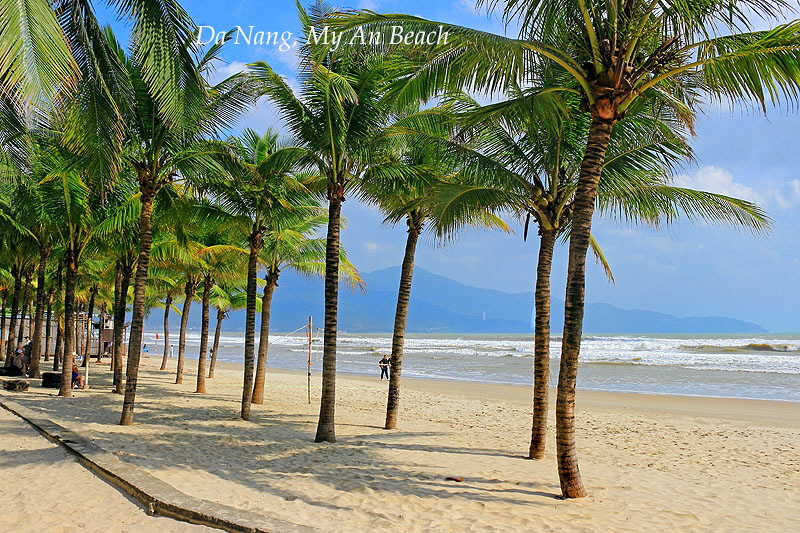
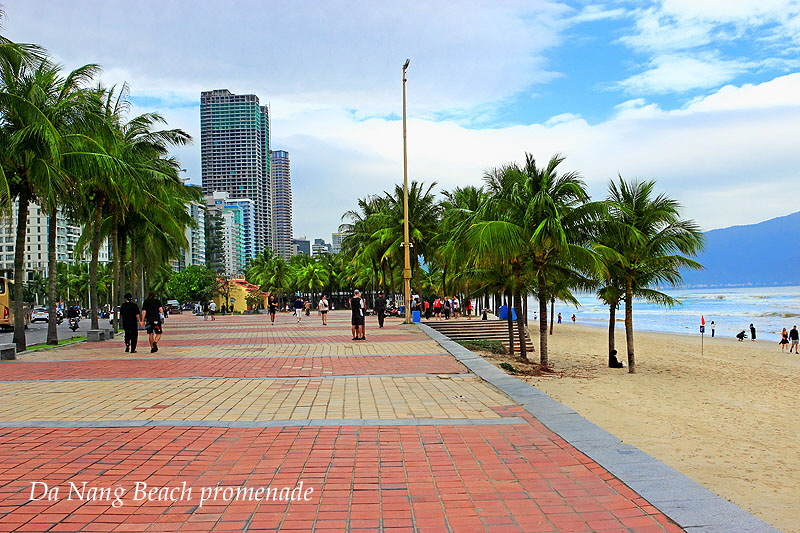
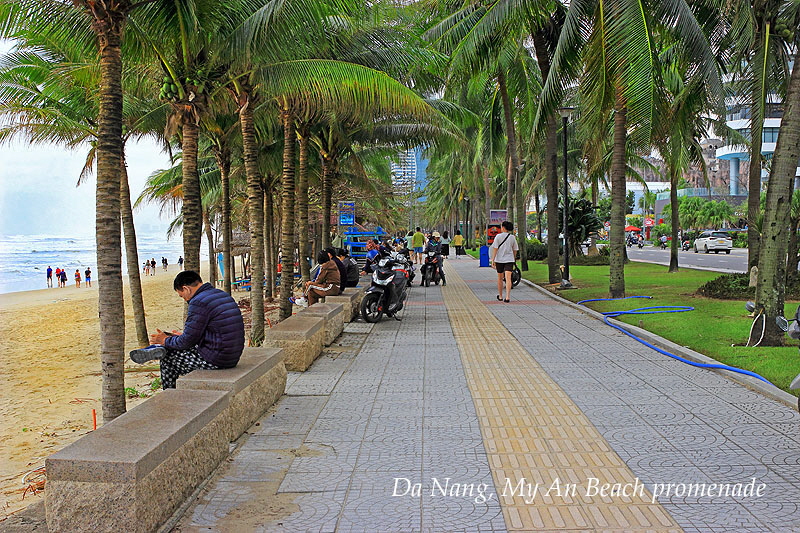
Make no mistake, Da Nang’s coast is exceptionally beautiful. Beach rules and guidelines posts have been placed to encourage cleanliness and etiquette. Although I am not a beach person, I succumbed to spending a couple of days there, and admit to enjoying lazy times soaking up the sun, sea and sand. The three-mile coastal stretch has a walking path and a lengthy paved promenade. Early morning is the best time to take a stroll, observe the Vietnamese exercising and others jogging.
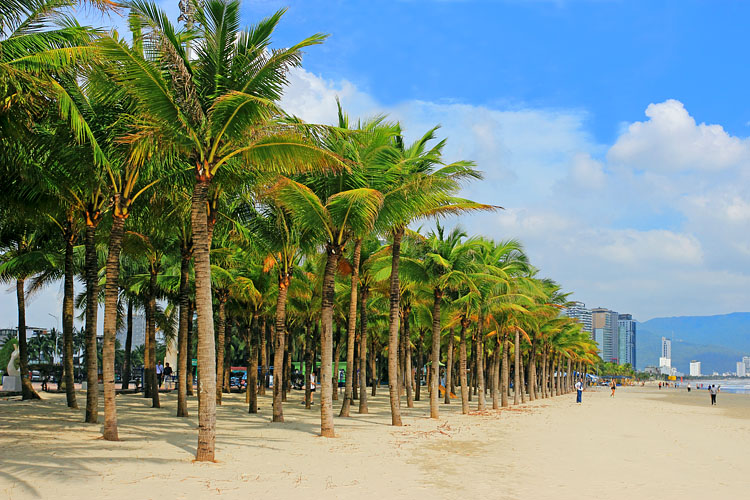
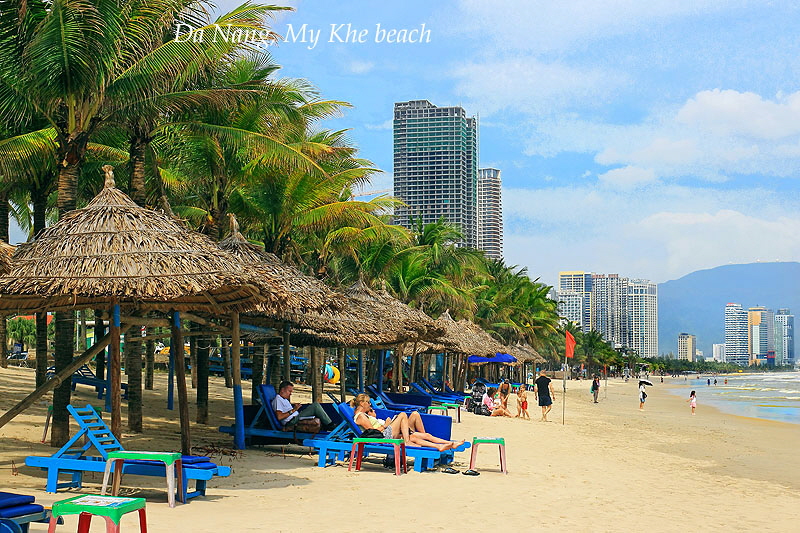
My Khe Beach
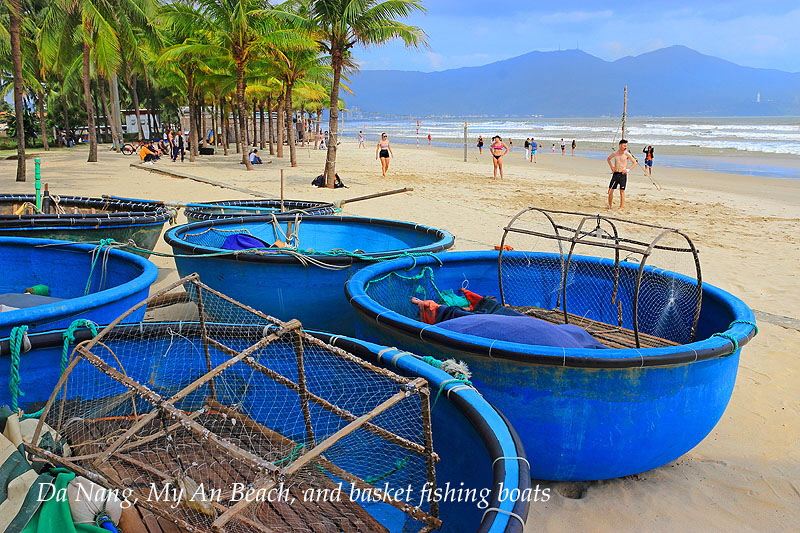
My Khe Beach (pronounced mee-key) and My An are the most popular, with soft yellow ochre-white sand and gently swaying coconut trees adding some welcome shade.
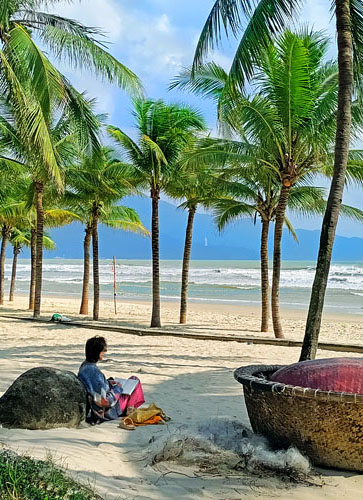
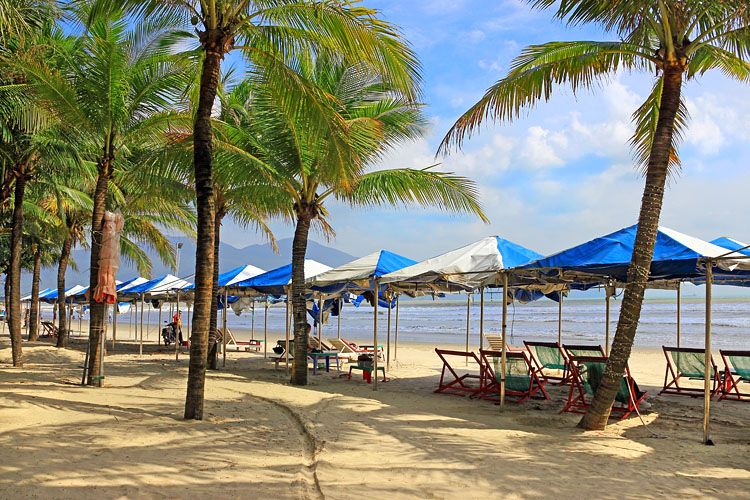
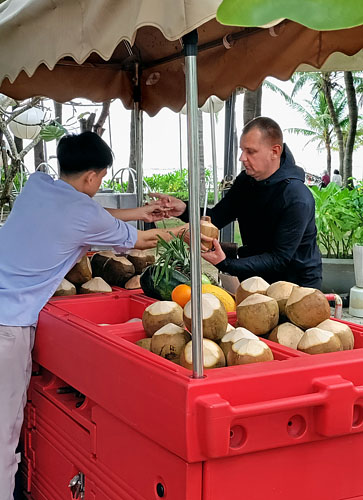
Along the walkway are benches to sit and people-watch, eateries to try out the local food, hire sunbeds, sunshades and water sports gear - so well equipped to satisfy the needs of seaside holidaymakers. And in the afternoon, if your thirst needs quenching, ice-cold beer may be the obvious, but fresh coconut water from a street vendor is even more refreshing.
The perfect thirst quencher
Compelling options beyond beachfront living
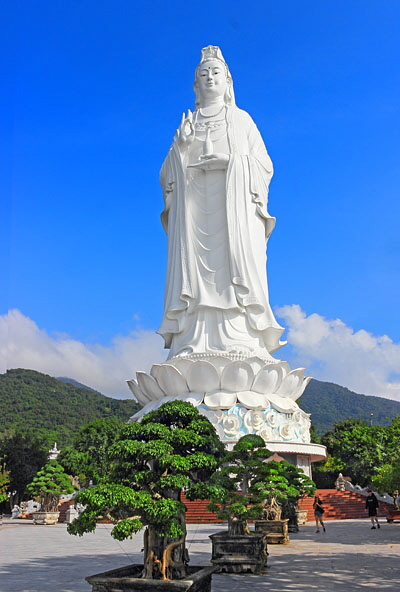
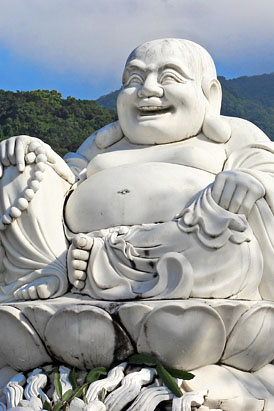
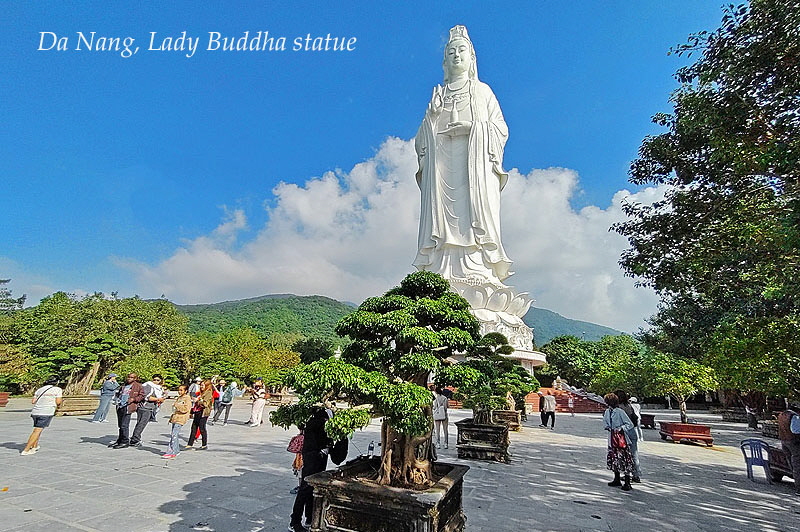
An unmissable sight from the beach towards the far distance is the Son Tra Peninsula. There, in the Monkey Mountains, you’ll spot the white standing statue of the Lady Buddha (Goddess of Mercy). The figure is of spiritual significance, especially to the local fishermen as she watches over them at sea.
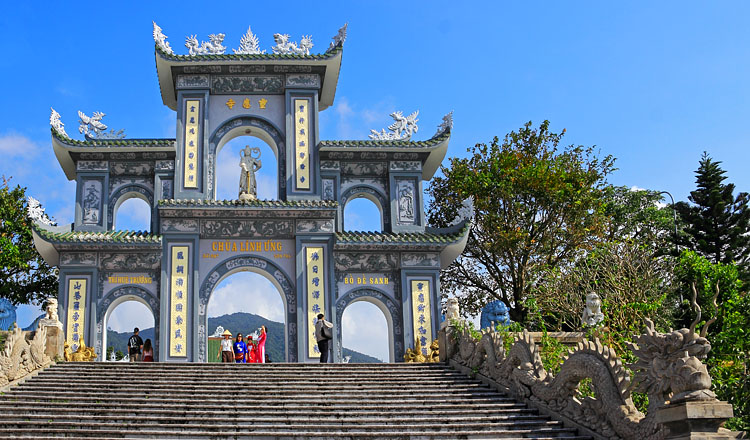
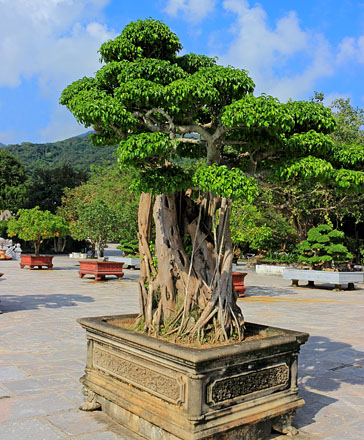
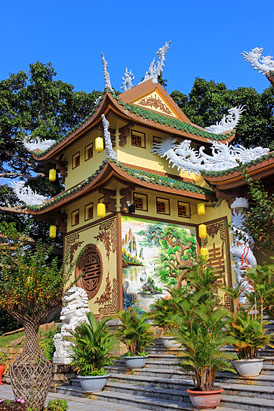
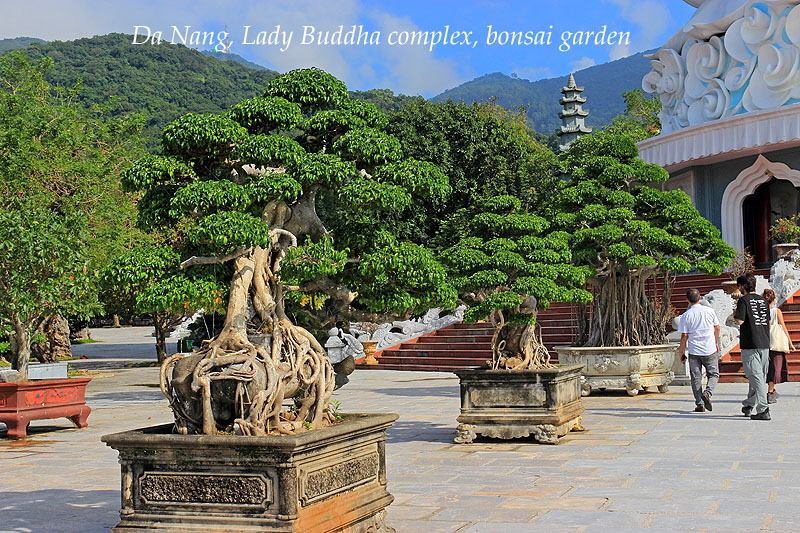
Only a 20 minute drive from the city centre, no tourist leaves without a visit to the site. At 67 metres tall (220 feet), the Lady Buddha statue is an amazing sculpted creation, carved from a single gigantic piece of marble. The grand entrance gateway leads onto a beautifully landscaped bonsai tree garden where
the image stands.
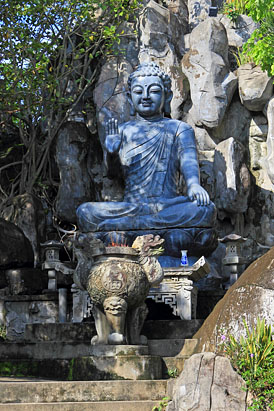
There are several areas with small statues, flora and walking paths to meander. Behind the Lady Buddha is the grand ordination hall building for those who wish to enter and worship. A couple of paths lead to viewpoints towards the Da Nang coast.
Allocate at least one hour to enjoy this site at leisure. Come as early as you can and enjoy the cool hilltop breeze and calm atmosphere.
Elaborate gateway
Bonsai Garden
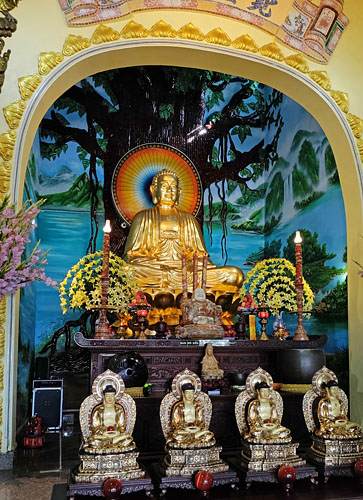
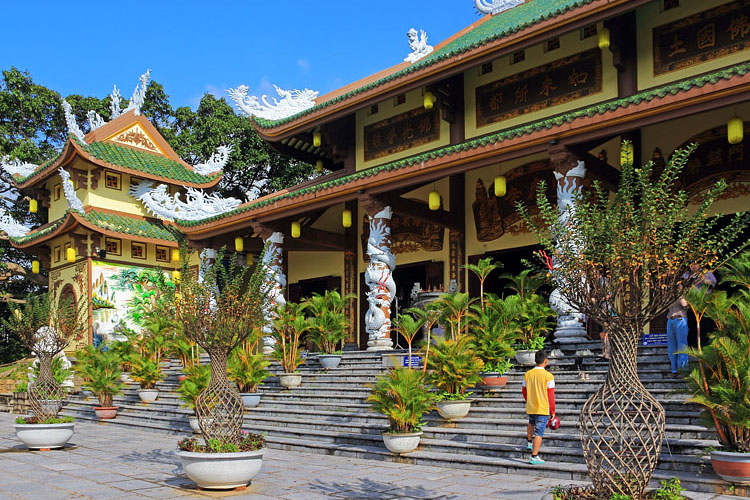
Grand Ordination Hall
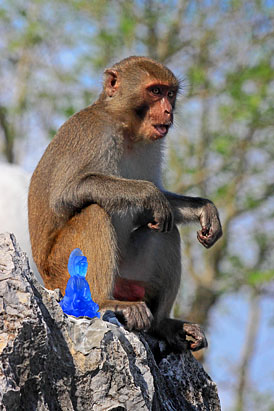
As for the name ‘Monkey Mountains’, it will be apparent as there are many resident wild Macaques pottering about the gardens -
avoid getting too close to or feeding them.
___________________________________________________________________________________________________________________________________________
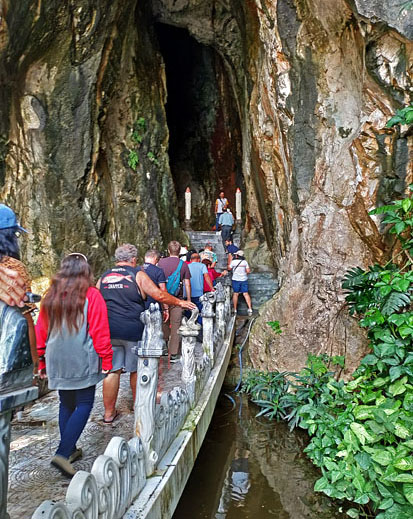
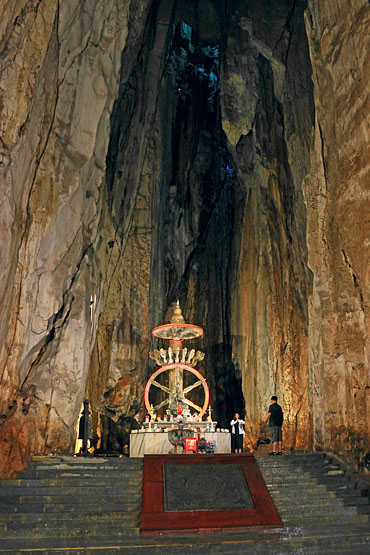
Just 10 minutes away, at the adjoining Marble Mountains, is a vast complex of caves. The Am Phu Cave is the largest. Inside the huge, damp limestone cavern are altars, Buddha and guardian statues.
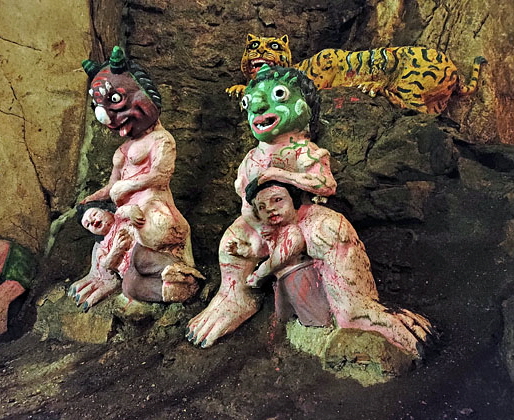
Several chambers lead down to the ‘path to hell’. The grotesque and hybrid figures of those tormented in hell create somewhat surreal surroundings. The ‘path to heaven’ leads to the top of the cave and into daylight. It is a blend of Buddhist teachings, stories of the underworld and spiritual folklore.
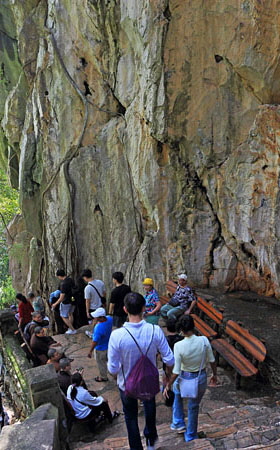
Getting to the main cave and other nearby sites involves climbing many steep stairs and is not suitable for those with mobility issues.
Cave interior with shrines and deity statues
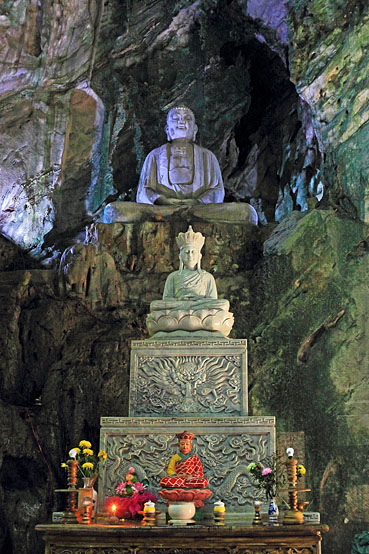
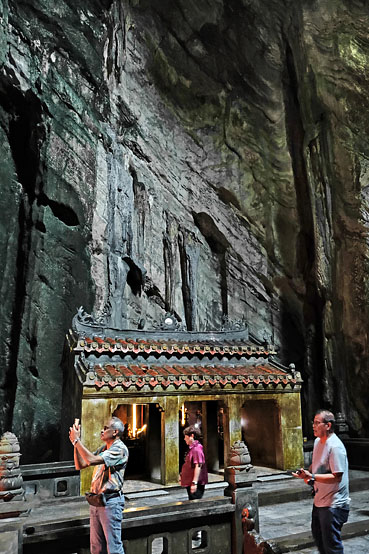
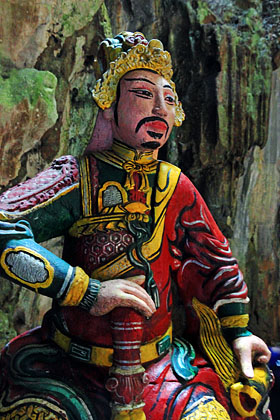
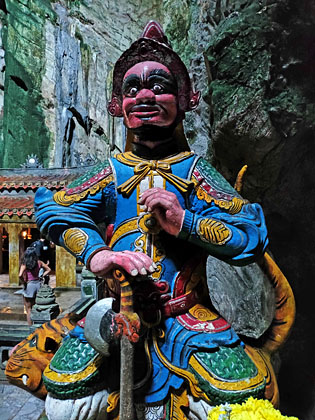
Guardian statues
Grotesque images in ‘path to hell’
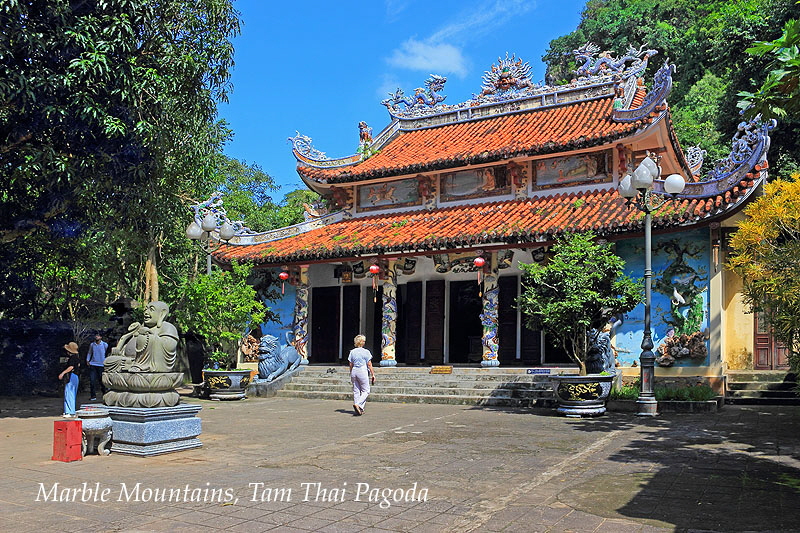
On the way back, in contrast to the dark interior of the caves, is the sacred Tam Thai Pagoda. It is one of the oldest temples in Da Nang. You enter passing through an ancient (partially in ruins) gateway, onto a courtyard. Inside, the main hall is ornately decorated and has three Buddha statues. At the top of the two-tier red-tiled roof are striking dragon sculptures. Take time to admire the landscape scenery around as you head downhill.
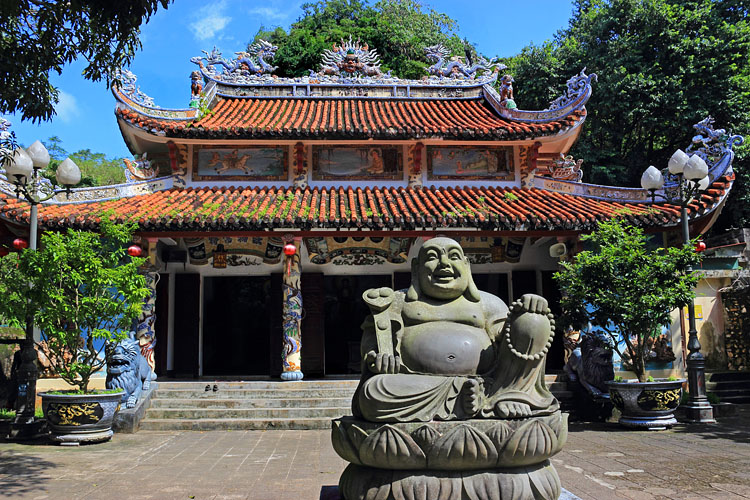
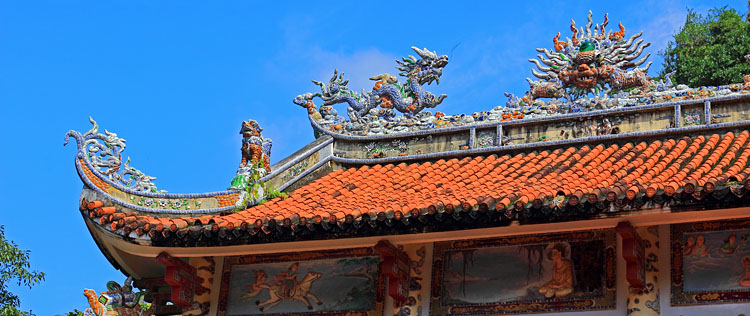
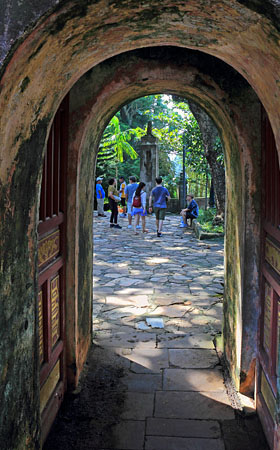
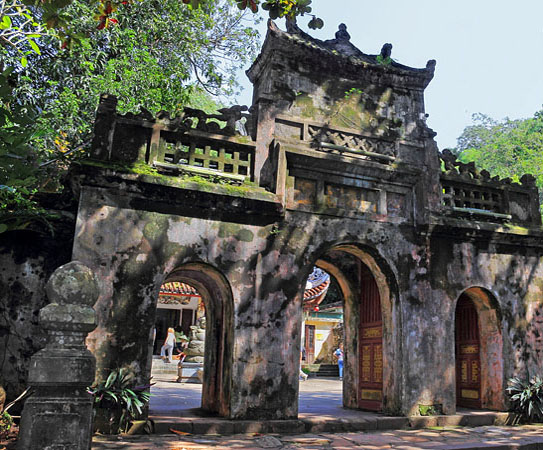
Gateway to the Tam Thai Pagoda
Steep walk back
___________________________________________________________________________________________________________________________________________
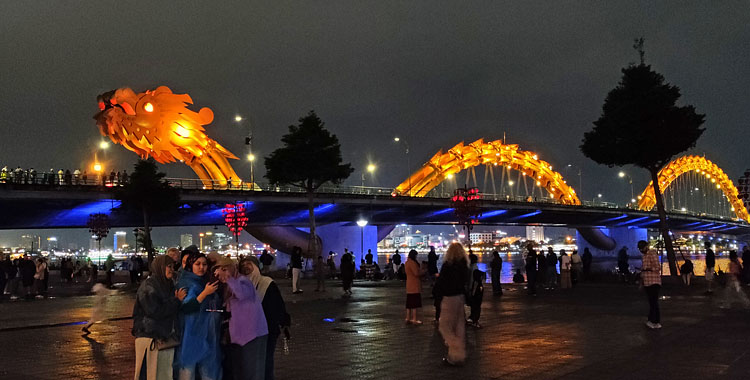
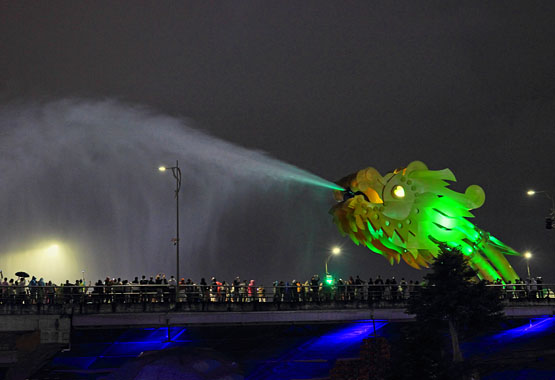
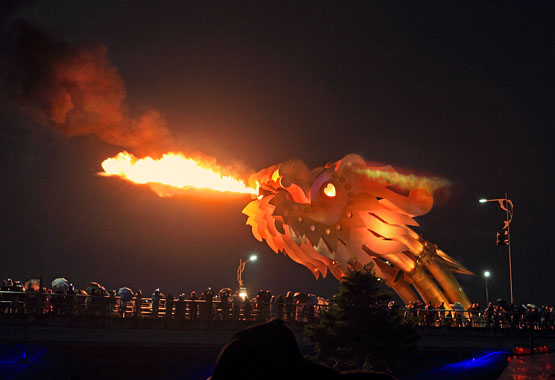
Back in the city centre, a popular night time highlight for both residents and tourists alike is the Dragon Bridge illuminations. The bridge is one of five that connect the city centre to the coastal area. On Fridays and weekends, around 9 pm, the bridge lights up with a colourful spectacle, with the dragon’s head breathing out fire and water. The show lasts about 10-15 minutes. Make sure you watch from the dragon’s head end and not the tail end. It’s also quite spectacular to view it from far away, when you can see the whole length of the dragon.
___________________________________________________________________________________________________________________________________________
From Da Nanag to impressive UNESCO World Heritage Sites
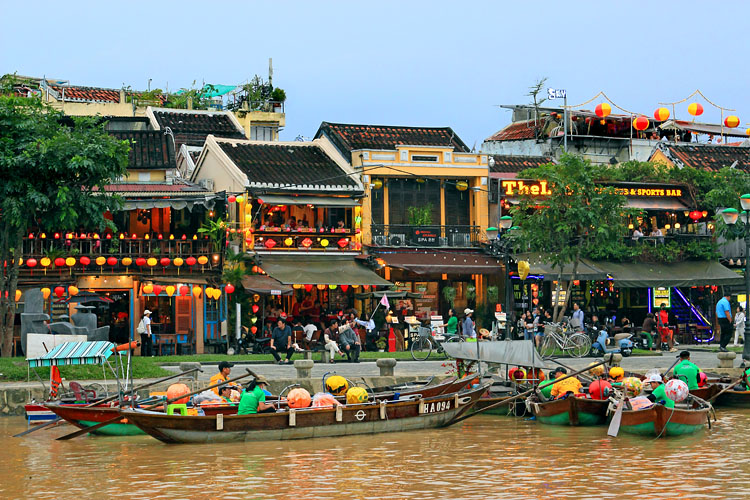
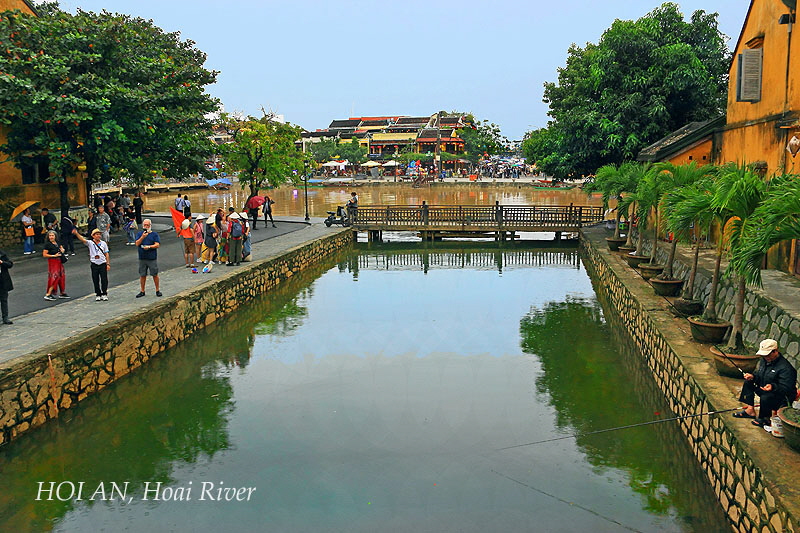
One of the pleasures of coming to Da Nang is that it’s close to other interesting places to visit. Just 40 minutes drive away, on the banks of the Hoai River, is the ancient town of Hoi An.
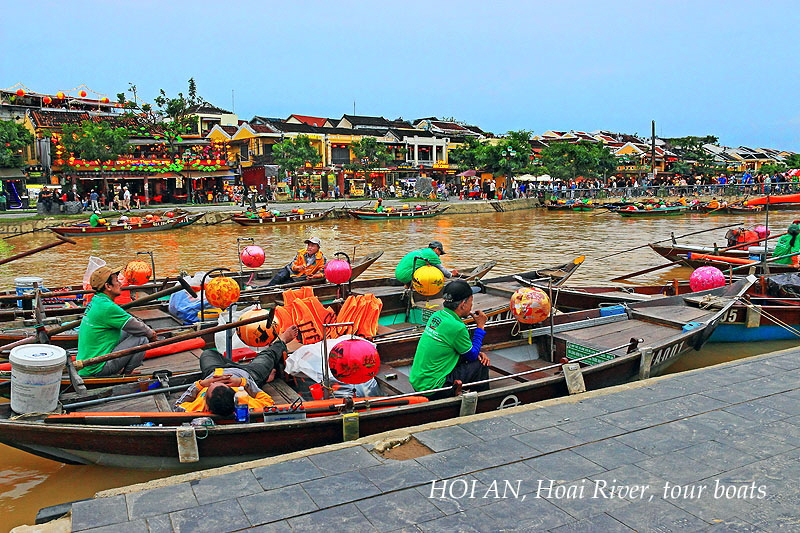
Hoai River, Hoi An
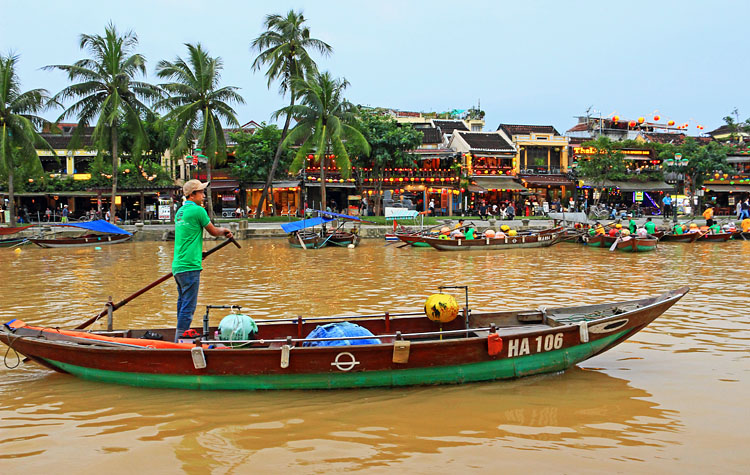
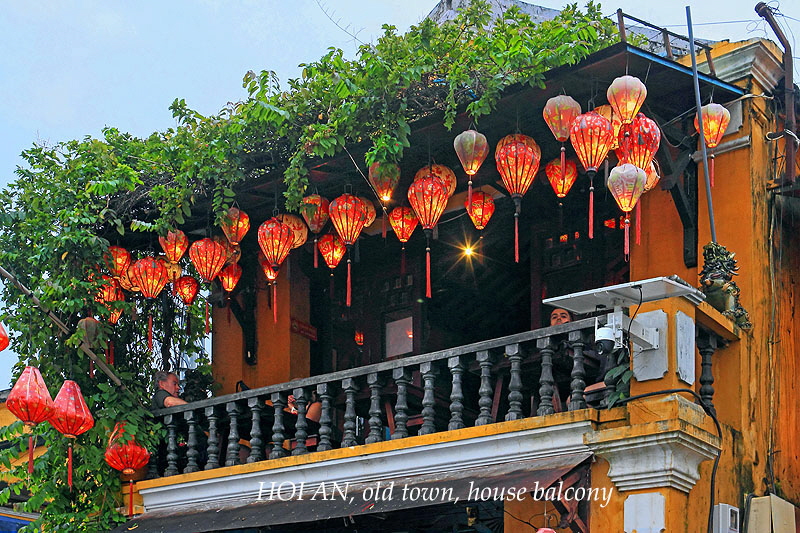
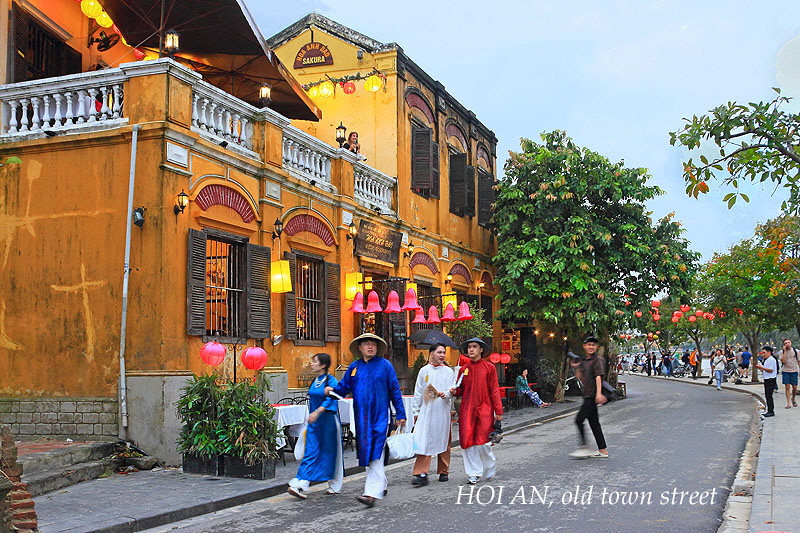
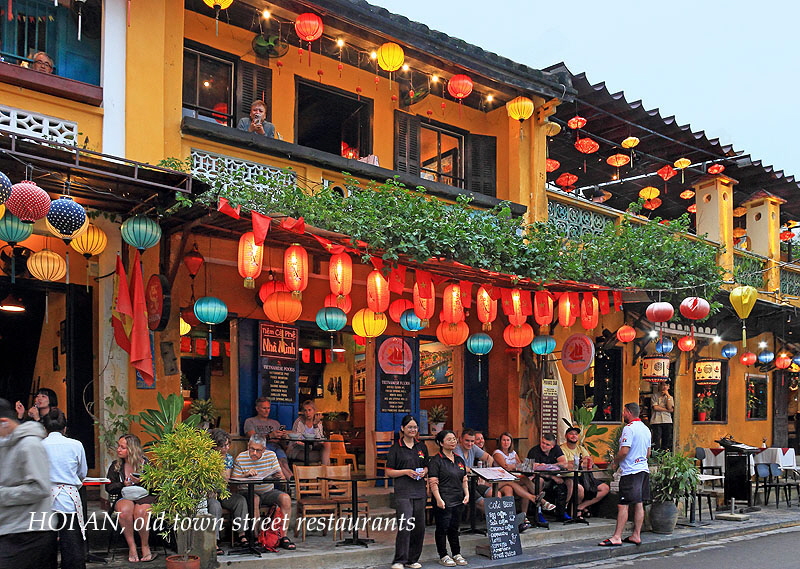
Once a trading port dating back to the 15th century, Hoi An has a well-preserved old town with architecture and buildings that reflect its eclectic past. Many of the waterfront restaurants and shop-houses reflect the more recent French colonial architecture. Some of the building facades may have been over-decorated with masses of colourful lanterns. But look closer, and you’ll appreciate the work that has been done to preserve its patrimony, which has rightfully claimed a place as a UNESCO site.
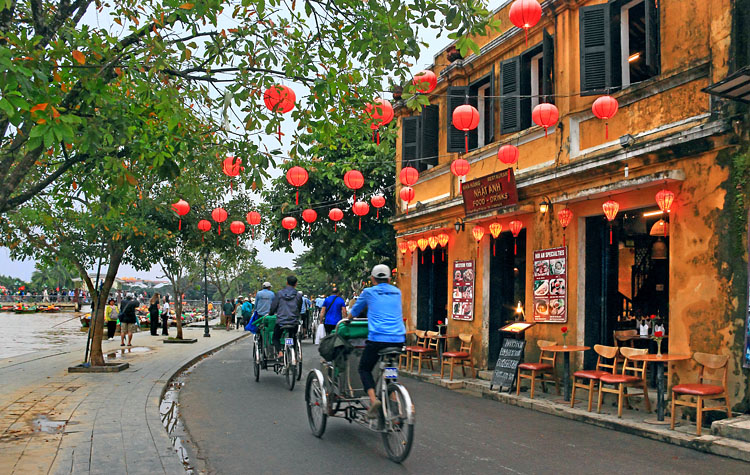
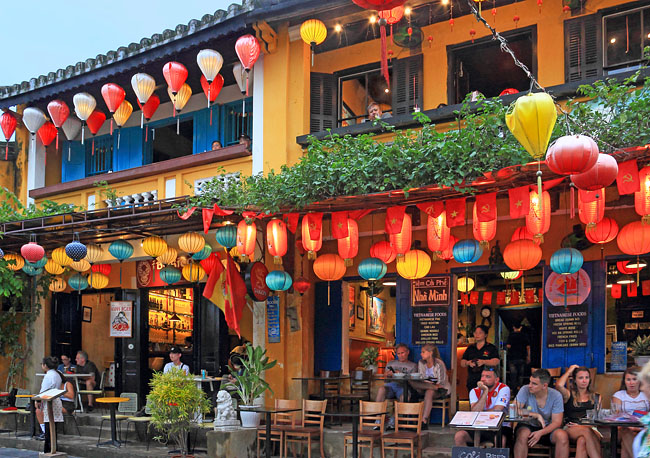
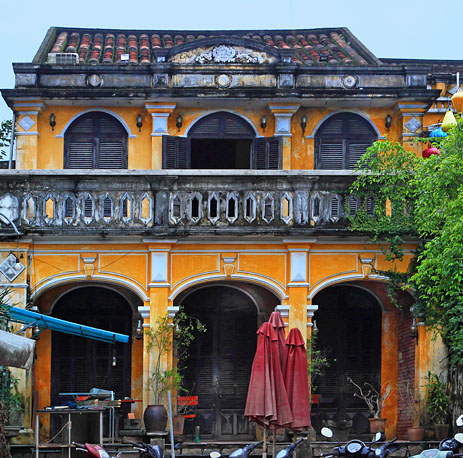
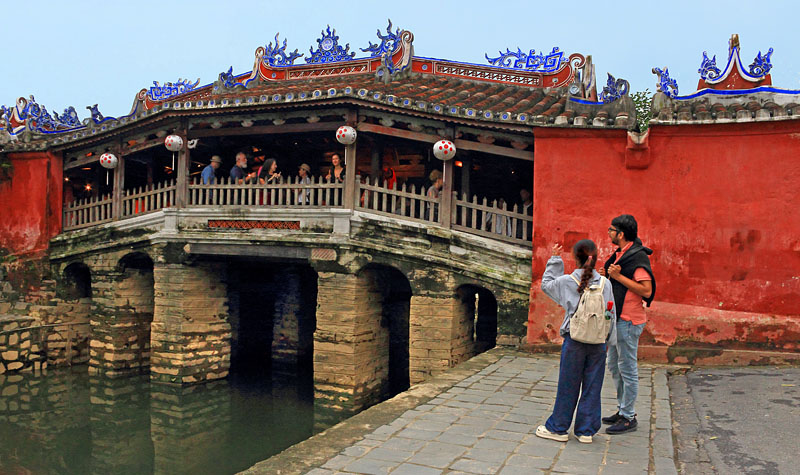
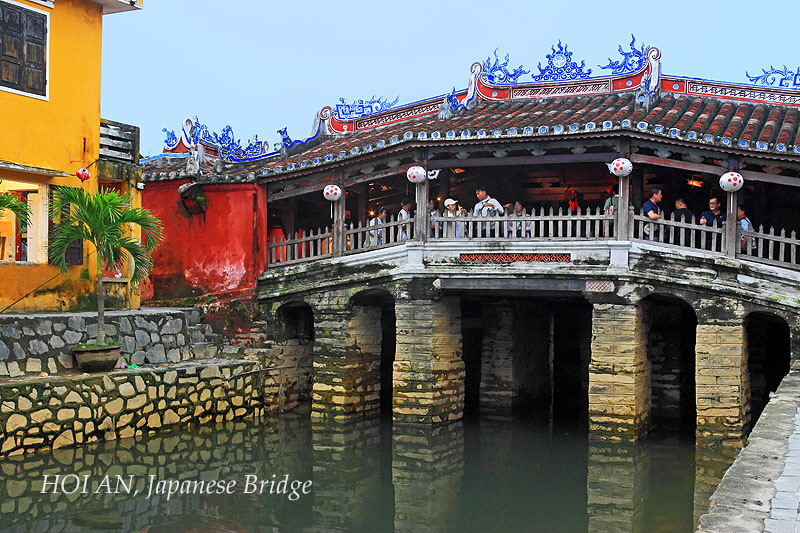
The town’s iconic symbol is the Japanese Bridge (Chua Cao). This 18 metre long, 16th century structure has gone through several stages of renovation. Although referred to as the ‘Japanese Bridge’, it’s a blend of Japanese, Chinese and Vietnamese architecture. It is constructed mainly with lacquered wood, with a stone base. The stunning and intricate curved roof covers the entire bridge. Built over the Thu Bon River, it connects the Chinese quarter with the Japanese quarter. Inside, in the middle of the bridge, is a small shrine for those who wish to worship and add a reverent touch to it.
Japanese Bridge, and small shrine
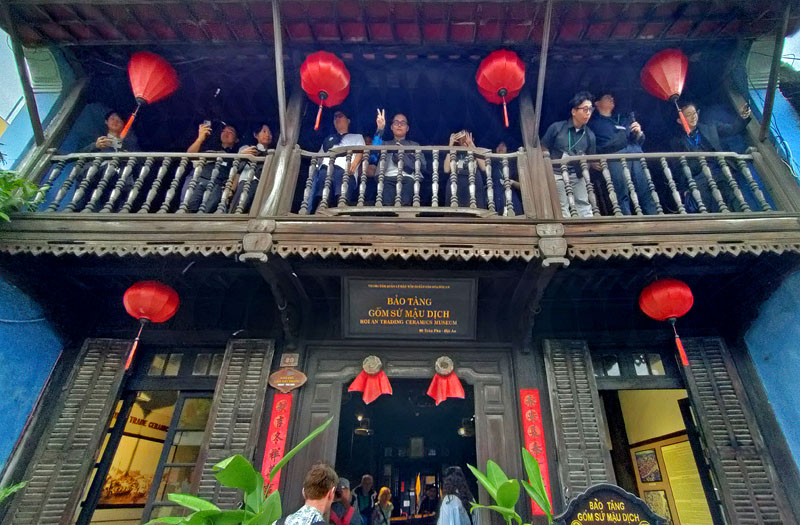
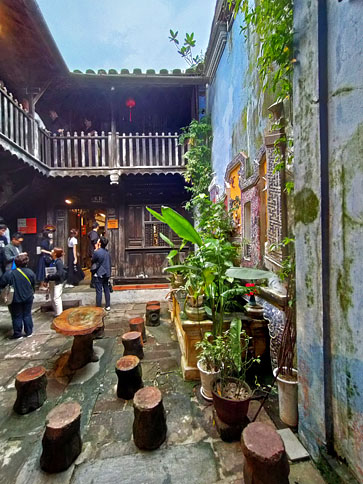
Next, the Museum of Trade Ceramics is worth the visit just for its building alone. It’s a restored 19th century two-storey wooden house. Inside is a showcase of the history and culture of the town, and its trade connections with other Asian countries. Naturally, there’s an excellent collection of ceramics on display.
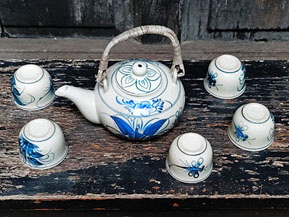
Museum of Tade Ceramics
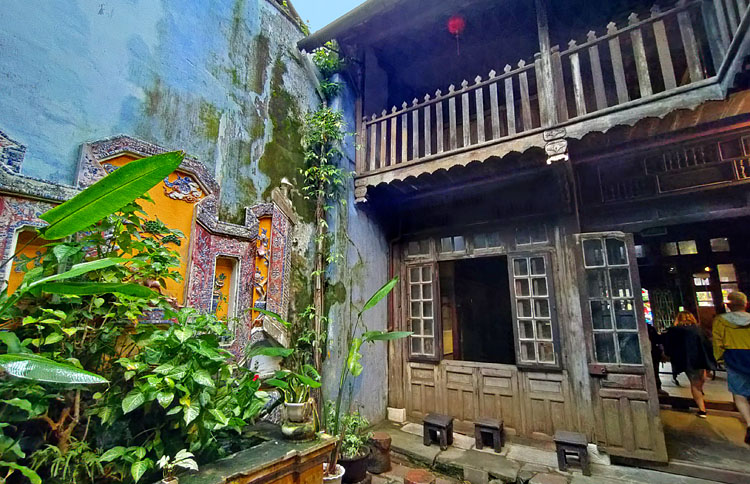
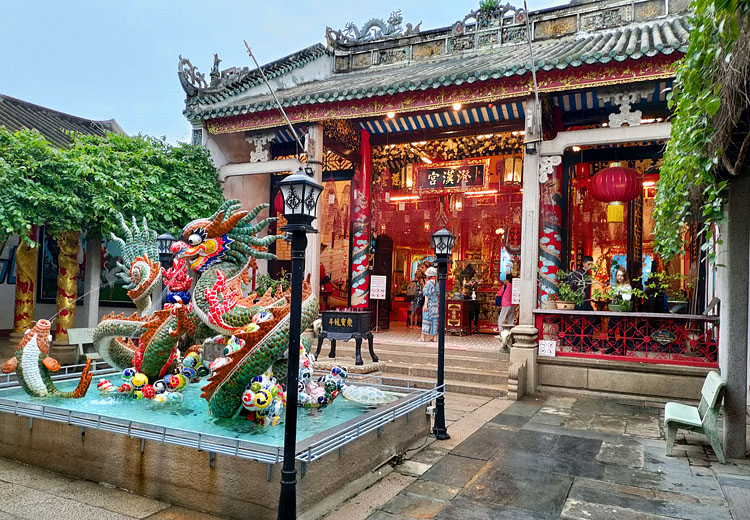
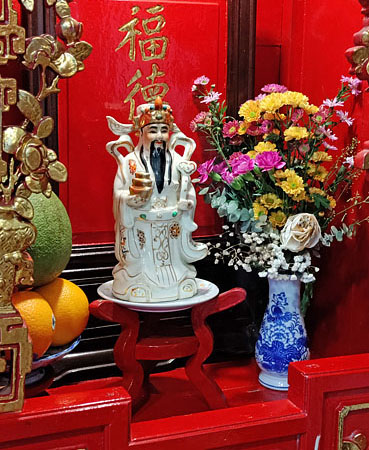
My visit to the Cantonese Assembly Hall was brief, as I had spent much time enjoying the Museum of Trade and Ceramics. At first glance, you’re facing a typical Chinese temple. And so it is. However, it was originally constructed as a community centre and an assembly point for Chinese merchants passing through. Gradually, shrines were built to include deities, and the large main hall became an important place of worship. The interior of the main hall has a beautiful display of paintings depicting Chinese stories.
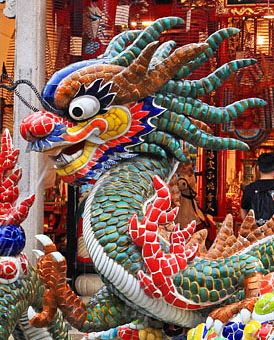
Just outside the building is a huge colourful dragon sculpture and fountain. This 19th century site is considered an important cultural and historic landmark of Hoi An.
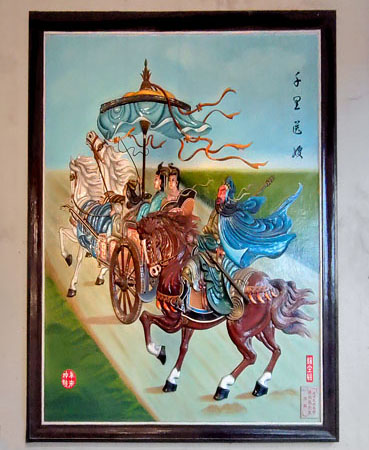
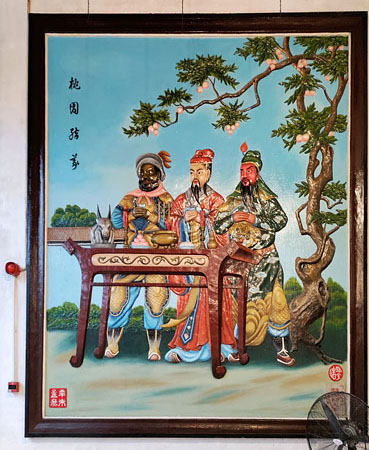
Paintings that tell a story
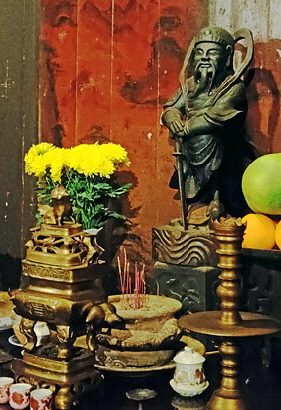
Shrine statue
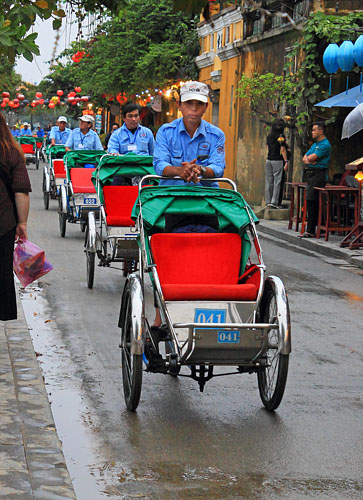
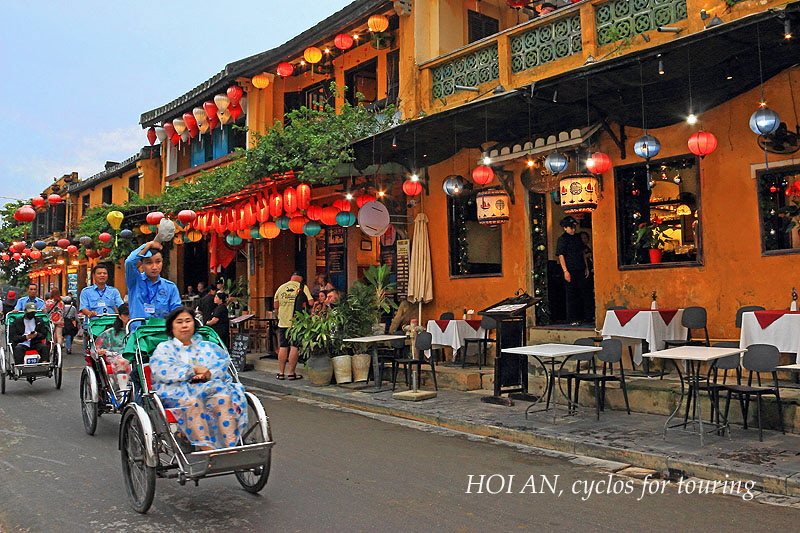
Most of Hoi An’s old town is pedestrian-friendly, compact, and easy to navigate around. In recent decades, it has become popular and crowded with day-trippers. There’s an abundance of cyclos to attract tourists for tours, river cruises, and night time lantern-lit boat rides. Yet, I felt compelled to see this place, despite feeling that it could be on the brink of overtourism. It’s best to visit in the mornings before the coach loads arrive.
___________________________________________________________________________________________________________________________________________
My Son Sanctuary - ruins of a civilisation that lasted 1000 years
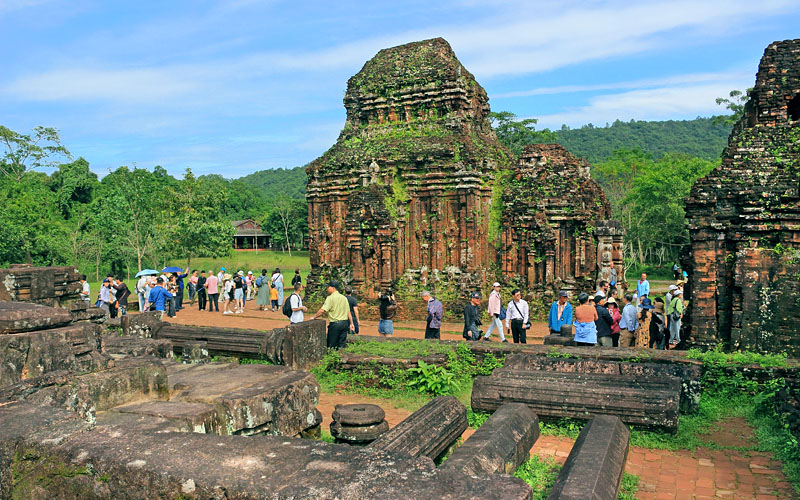
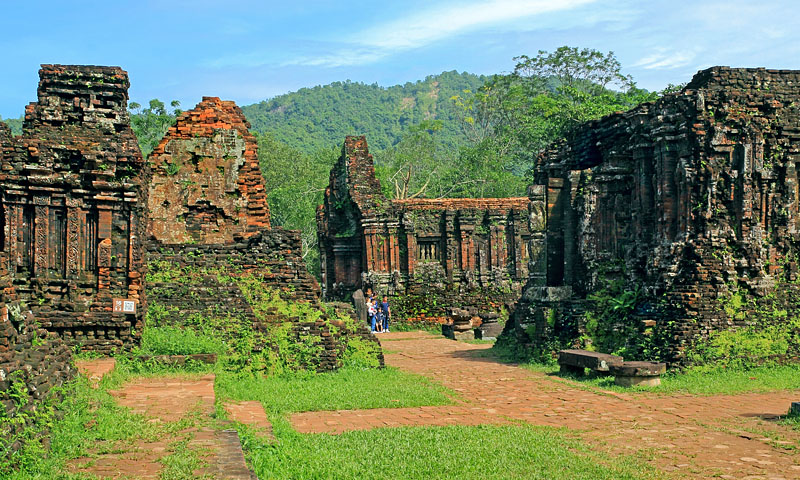
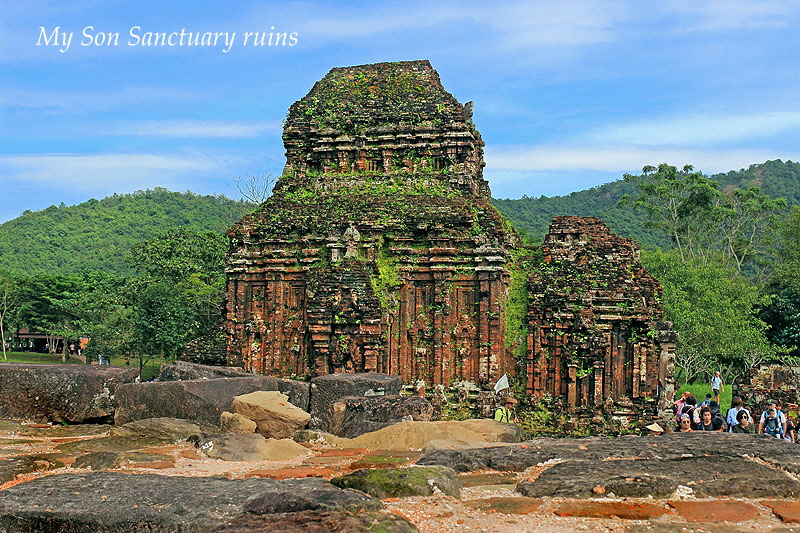
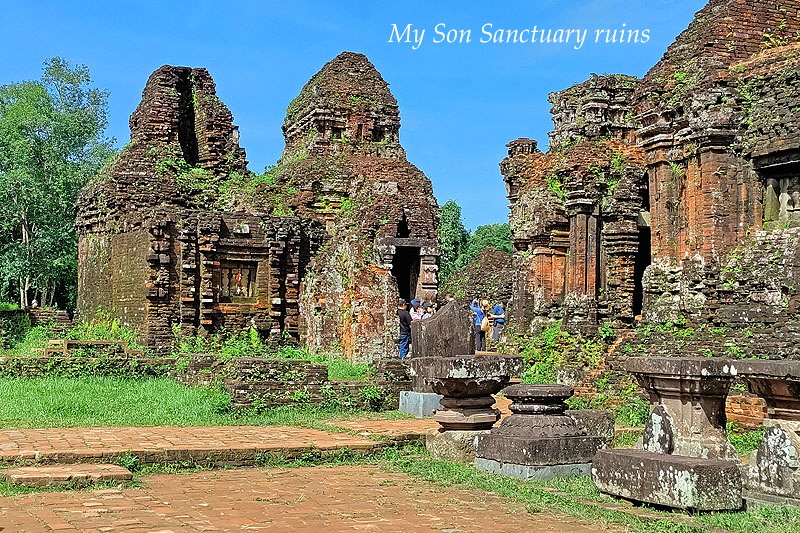
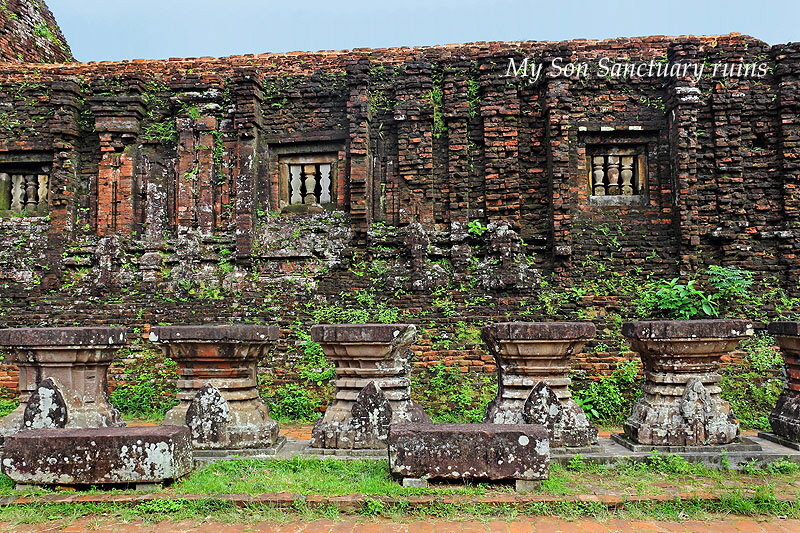
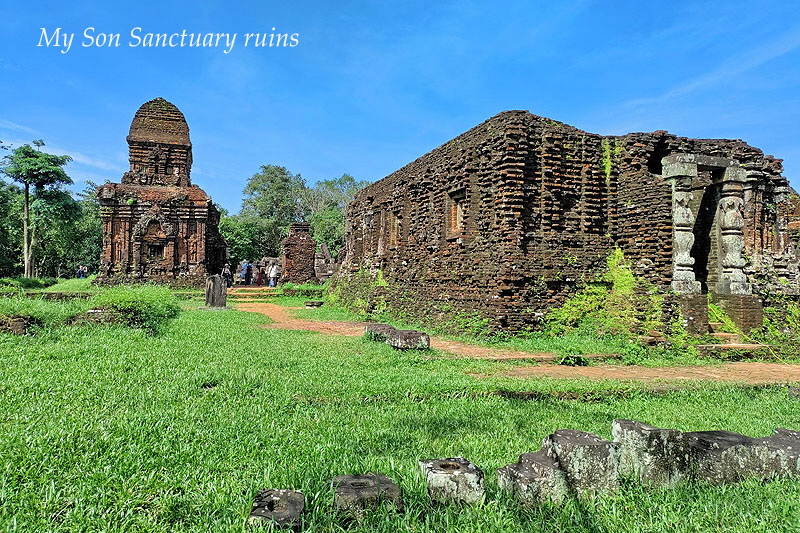
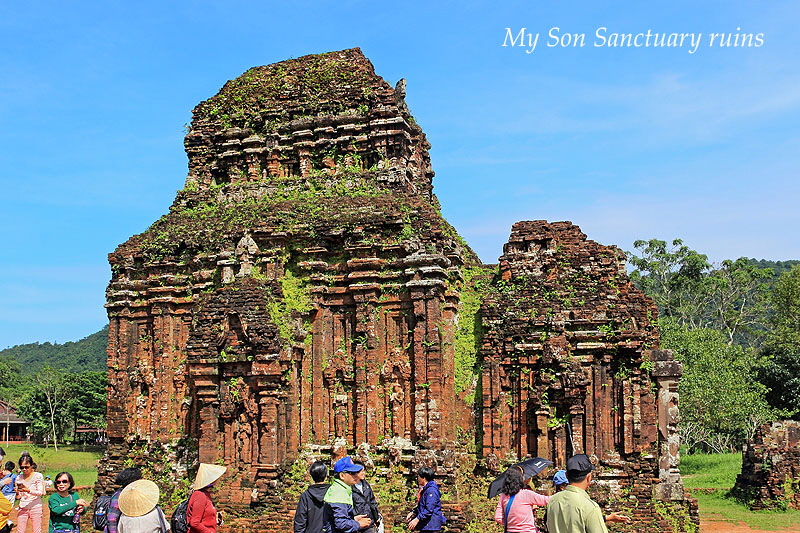
This is considered one of the best sites in all of Vietnam. The Champa civilisation ruled part of central Vietnam from around 400 CE. The ruins you see today were once hidden in jungle surroundings. It was mainly a Hindu and later also a Buddhist site and is of immense cultural and religious significance.
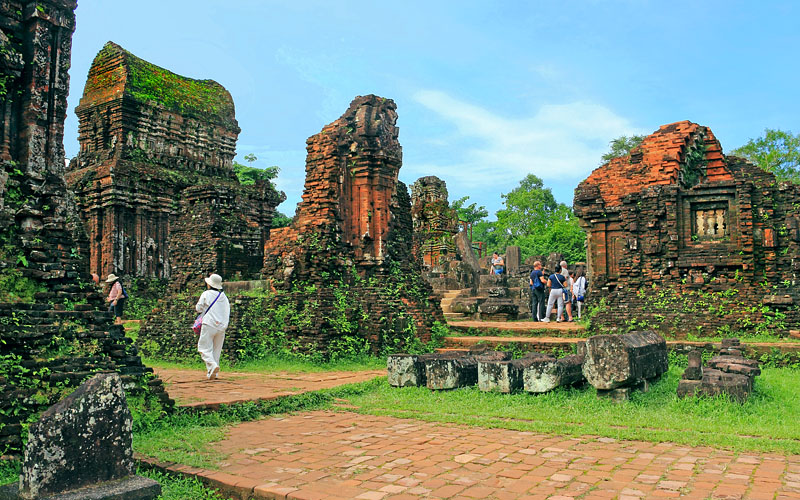
There are around 70 temples and tall structures spread over a wide area. It is advisable to be on a guided excursion, or have a private guide to relay various aspects of the history and architectural feats. For example, my guide explained that many structures were meticulously built with fired red bricks and sandstone and amazingly held together with a glue-like sap extracted from local trees.
Although centuries have passed, most of the temples and buildings, though in ruins, still retain some of the intricate and artistic wall carvings and Hindu deity figures. Some restoration work has been done on the main towers, and care has also been taken to ensure the preservation of the rest.
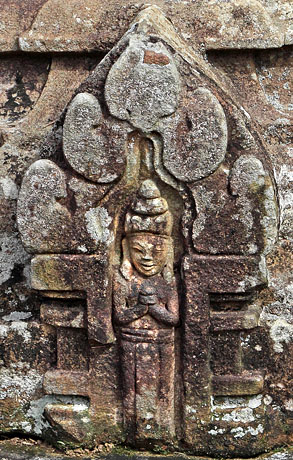
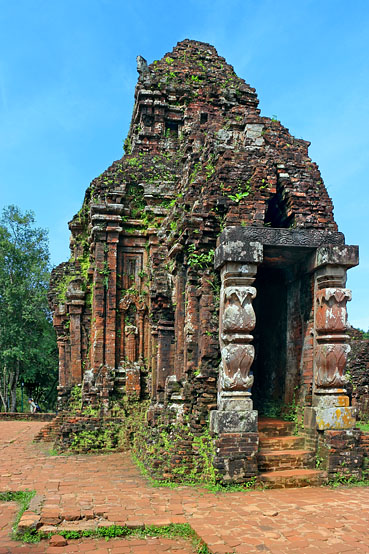
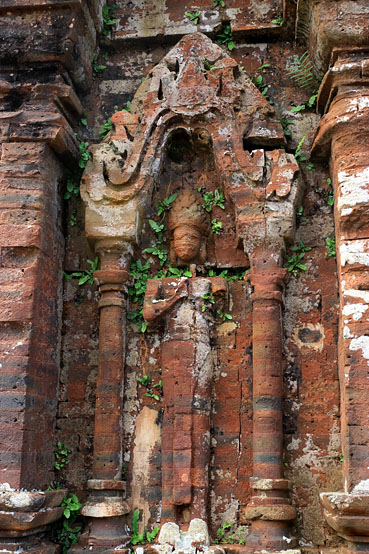
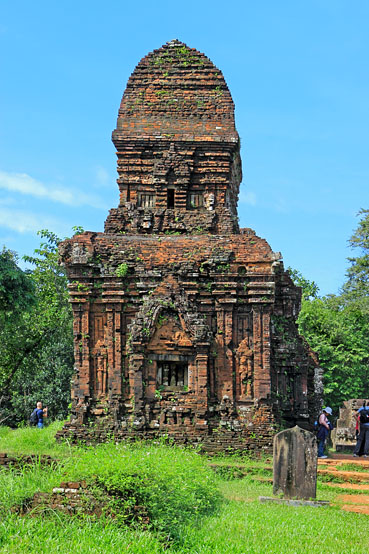
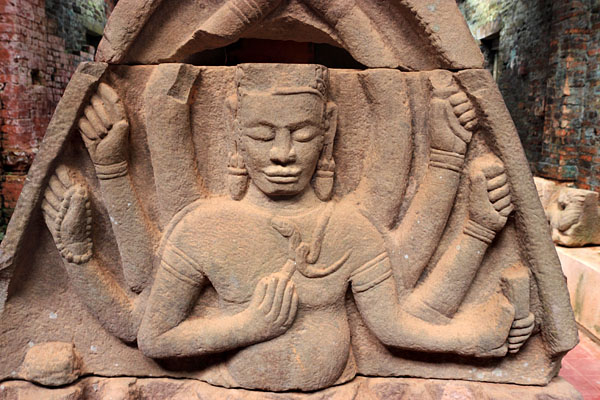
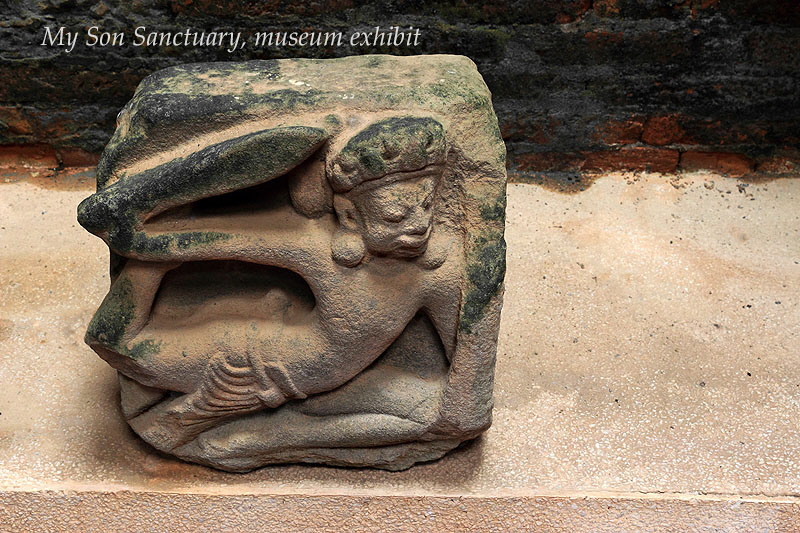
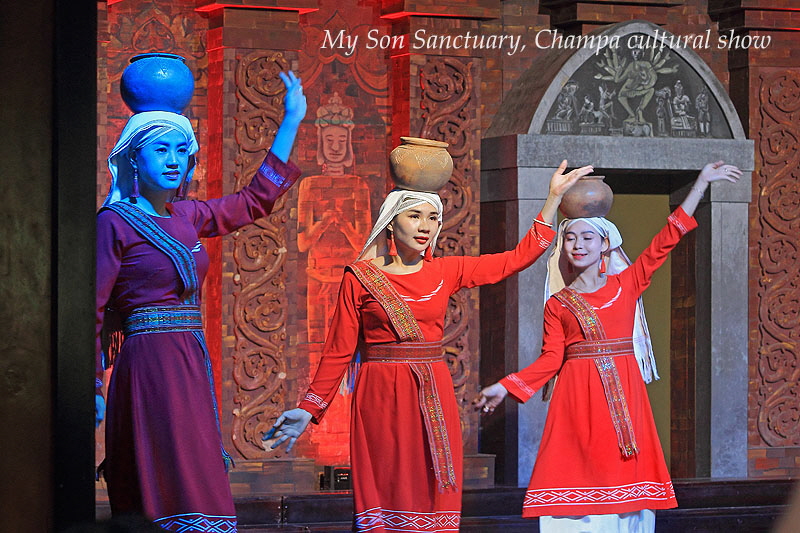
A museum on site also gives a wonderful insight into the Cham Kingdom, with exhibits of relics, statues, and a couple of large relief carvings of the god Shiva. After relishing some leisurely time walking amongst this great archaeological site, my guide escorted me to the nearby theatre for the cultural show. Make sure you attend to watch some beautiful and graceful dance performances depicting Cham folklore.
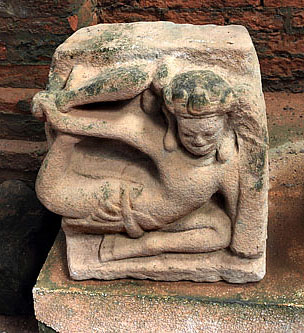
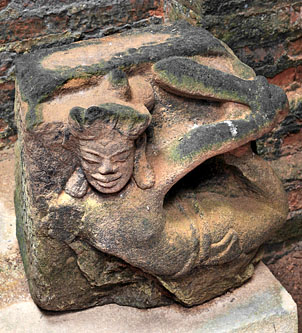
Exquisite relief sculptures at the museum
God Shiva sculpture
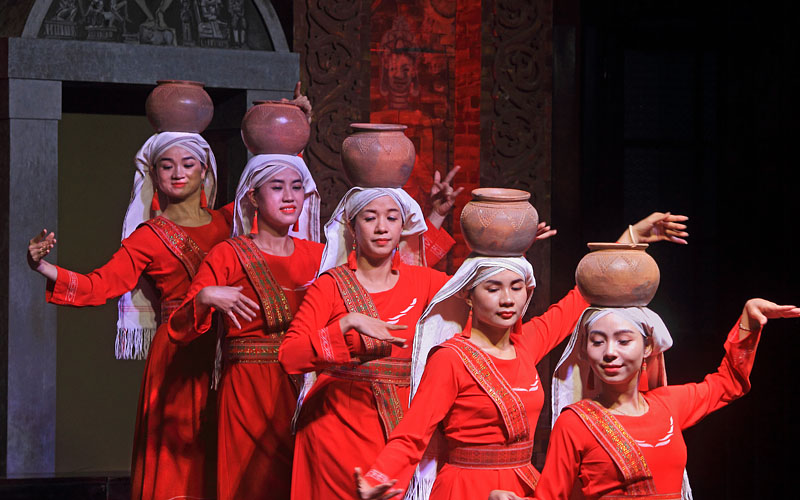
Graceful Cham dance performance
My Son Sanctuary is 40 km from Da Nang. When I booked a private guided tour, I ensured that I visited early and had plenty of time (about 3 hours), to enjoy without rushing.
___________________________________________________________________________________________________________________________________________
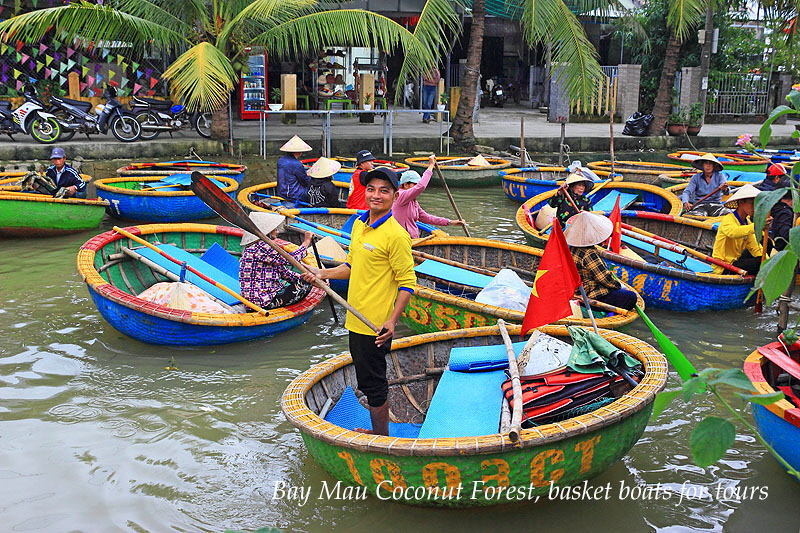
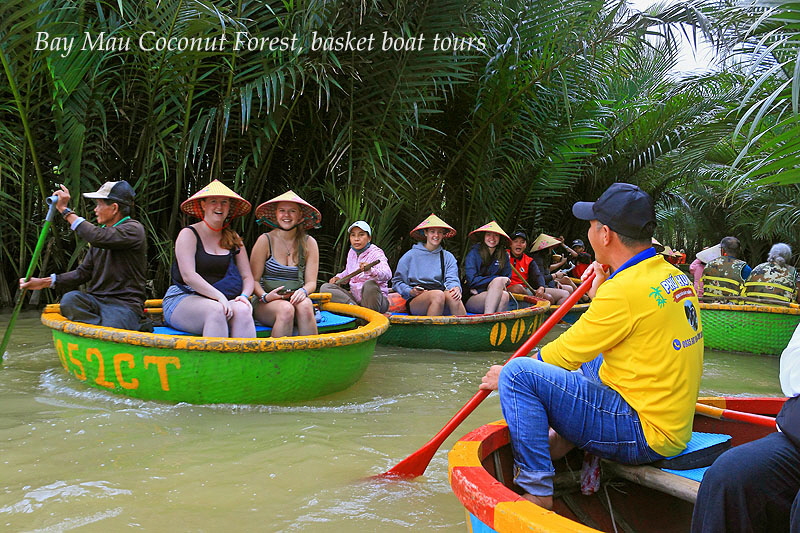
Bay Mau Coconut Forest near Hoi An (32 km from Da Nang), is a mangrove of ‘Nipa’ palm trees (and not standard coconut trees). Planted around 200 years ago, the plants have thrived into a large mangrove amidst three rivers in the area. Lush and scenic, it has become a favourite tourist feature. Multi coloured painted basket boats vie to carry tourists on rides along the mangroves. Some rowers entertain by performing acrobatic stunts and spinning the boats. Though it did not entice me, I nevertheless joined a half-day tour out of curiosity.
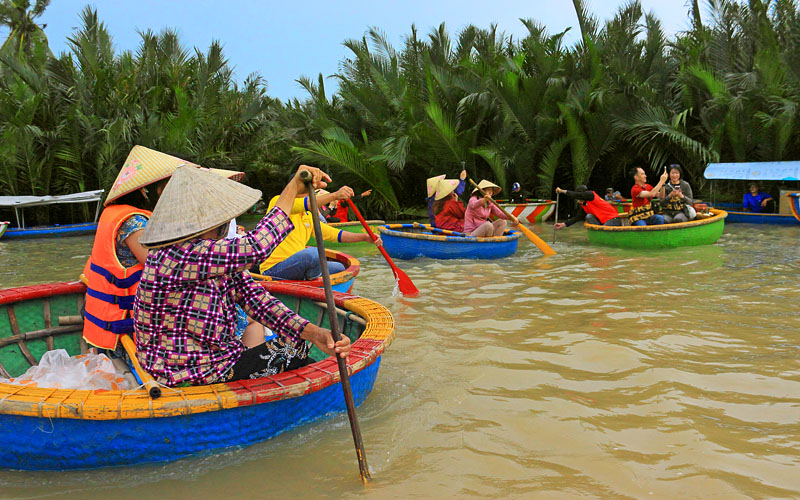
Traditional basket boats (Thung Chai) are round fishing boats hand made from river bamboo and waterproofed using natural resin. They were invented by poor fishermen who could not afford large boats. Only about 2 metres in diameter, they typically could hold three people. You’ll also see a few along the beach in Da Nang.
24 images here ©JAYTRAVELPHOTOS
© COPYRIGHT notice. The images on this site are for viewing only.
To purchase any, for personal or commercial use, please contact us at jaytravelphotos@gmail.com
___________________________________________________________________________________________________________________________________________