It’s better in Kyoto with fewer crowds
In its peak seasons, Kyoto, Japan’s cultural capital has become a victim of its tourism success. As the sheer volume arrives following the post-pandemic era, the city is striving to maintain a balance between visitor numbers and the least disruption to residents.
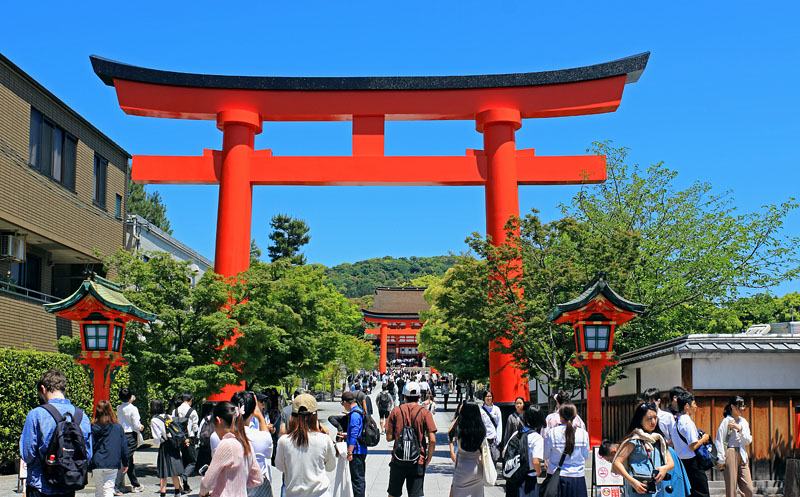
Some popular sites are crowded, even in late May
Holidaying in a city overrun with masses of tourists is something I’ve sought to avoid over the past decade. Most come to Japan during the Cherry Blossom season in April, or to see the autumn colours (fall foliage) in November. I chose to travel in mid-May and spent a few weeks hoping it would be less congested. Yet, even in late May, crowds were thronging at a few of the main sites. Arriving early morning was one way to avert it, when I had about an hour’s window before the mid-morning tour coach rush. Part of my trip was to enjoy the city’s prime attractions. I also had a separate itinerary prepared for visiting specific places that were wonderfully quiet and peaceful - they were temples and shrines with gardens (see separate article).
Having a good guide book and map is essential. Some careful research online is also useful. I don’t care for narcissistic YouTube vlogs, as many of these are over hyped as well as inaccurate. In Kyoto, it is unavoidable to veer too far away from the impressive attractions of the city - which are the renowned temples and shrines. Yet, there are a host of other diversions as well to engage in and relish.
Some splendid sights that should be on every visitor’s itinerary
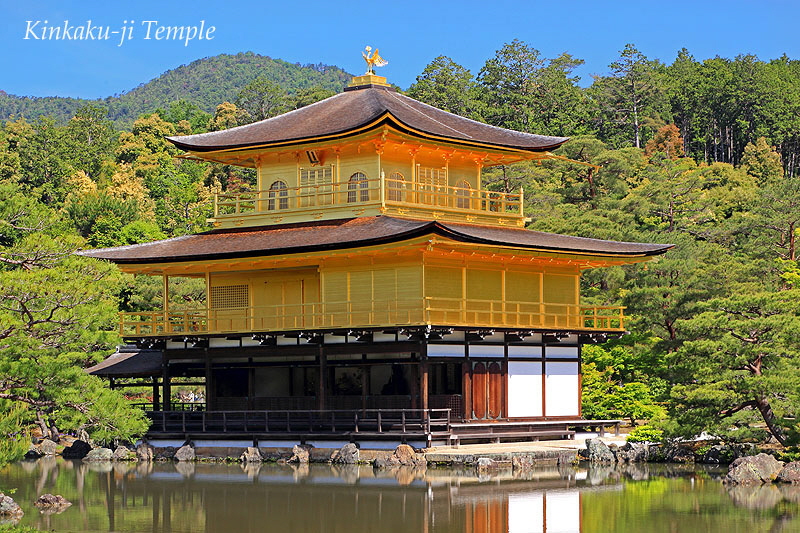
Kinkakuji Temple:
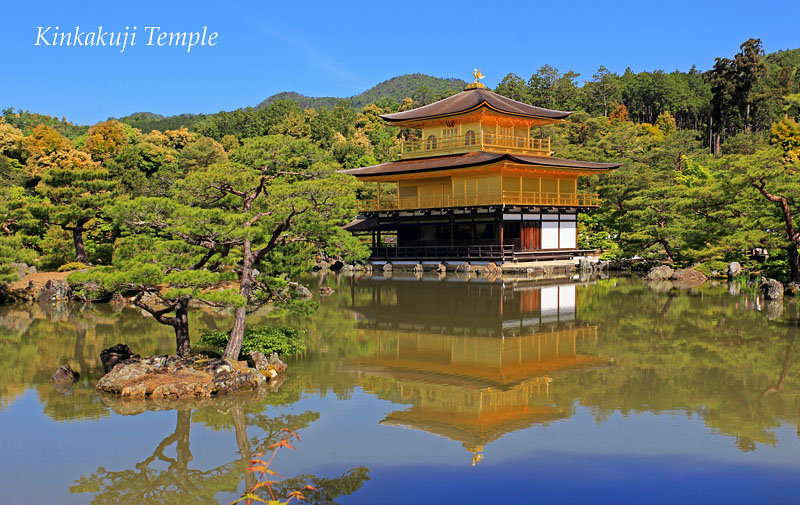
Considered one of the most visited and photographed places, it is undoubtedly a picturesque vista and not to be missed. The original temple structure belongs to the 14th century. However, following an arson attack as recently as in 1950, the temple was rebuilt in 1955. Of the three-storey building, the second and third floors are lacquered in pure gold leaf - hence also referred to as the ‘Golden Pavilion’.
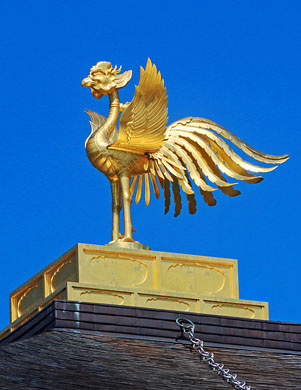
Adorning the roof is a golden mythological Phoenix figure. The temple houses Buddhist relics, although you cannot enter. This gorgeous building sits in the middle of Mirror Lake, reflecting in the water, with trees and hills in the background. It’s hard to take your eyes off the mesmerising scene. However, there is not much else to see. You have to follow the guided path, enjoying the views along the way.
___________________________________________________________________________________________________________________________________________
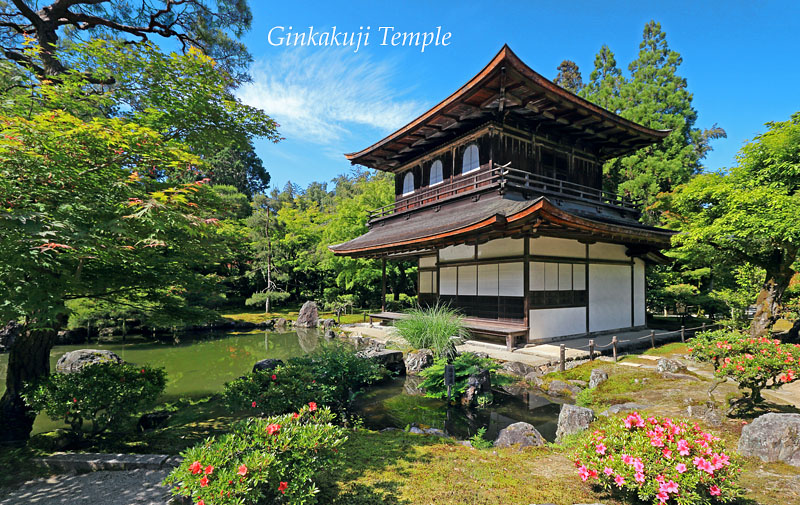
Kannon-den Hall
Ginkakuji Temple
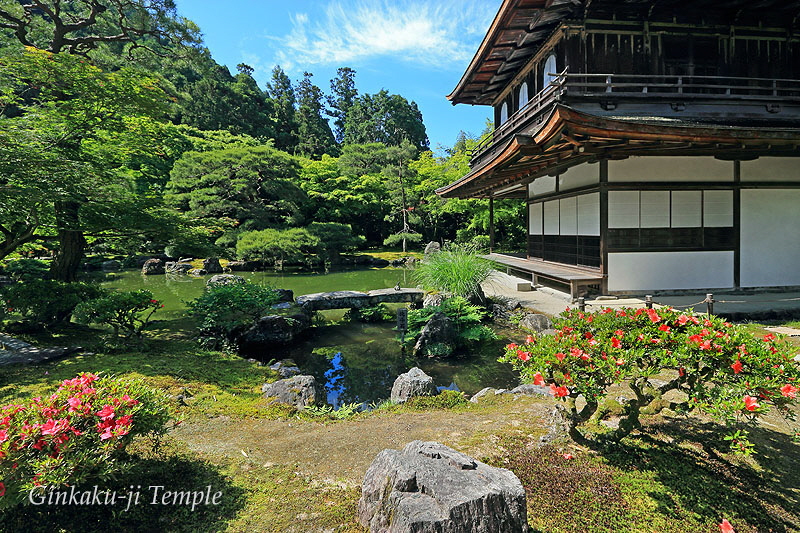
Modelled after the Kinkakuji, it was originally the retirement home of the famed 15th-century Shogun Ashikaga Yoshimasa. The villa was converted to a Zen temple after his death. Also named the ‘Silver Pavilion’, it was never painted in silver. It is believed to be nicknamed to contrast with the Kinkakuji Golden Pavilion. The two-storey building is named the Kannon-den Hall looks beautiful with a pond garden in the foreground. The interior though is not open to the public. Nearby is a small sand garden with a massive cone-shaped mound.
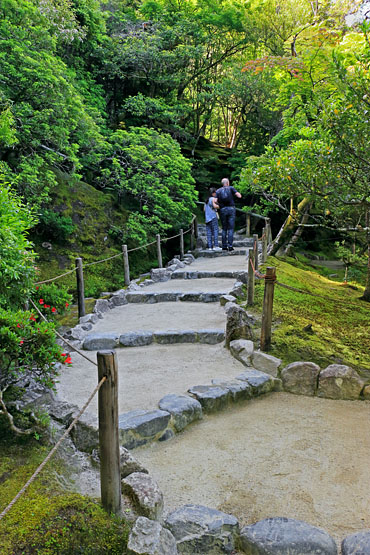
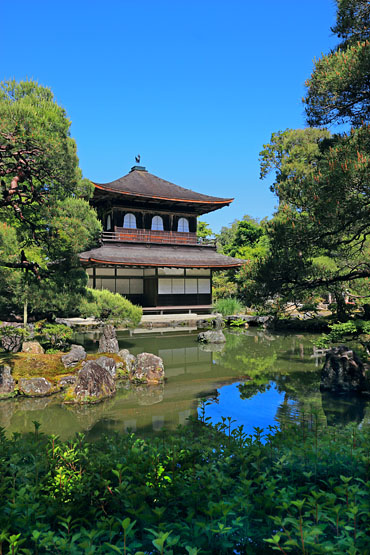
Beautifully landscaped paths
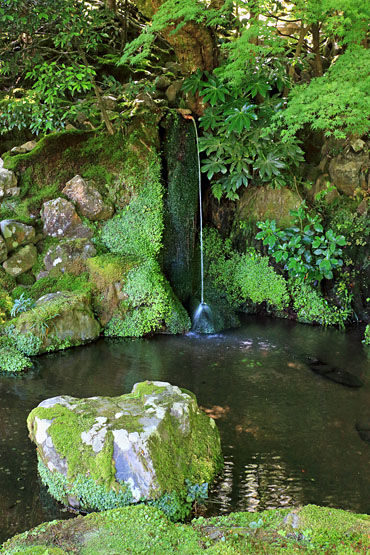
Small Sengetsuen Waterfall and pool
Kannon-den Hall
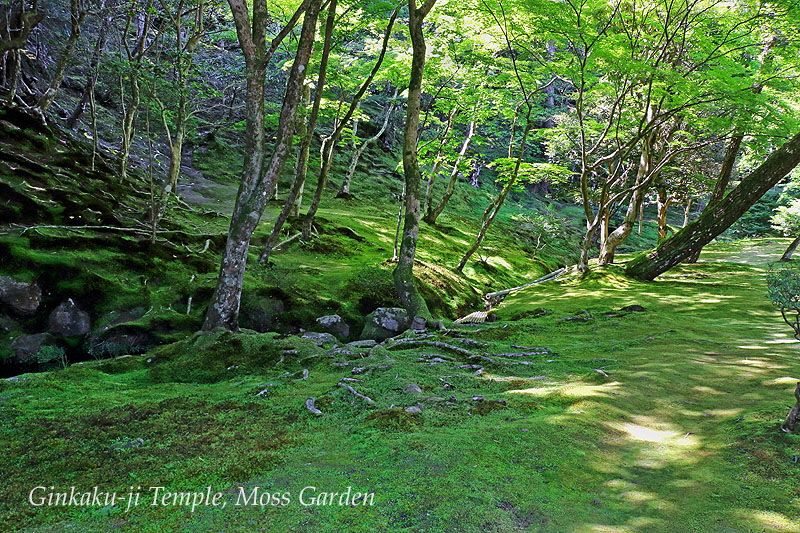
Take time to enjoy the garden views and other buildings like the Hondo (main hall of worship). Then walk uphill along a lovely landscaped path, through a moss garden in a dark woodland area. The variety of plants, bridges, pools and the small Sengetsusen Waterfall add to the scenery and greenery around. Higher up you get a view of the temple complex and the city beyond. You end the walk heading downwards with another view of the temple before exiting.
___________________________________________________________________________________________________________________________________________
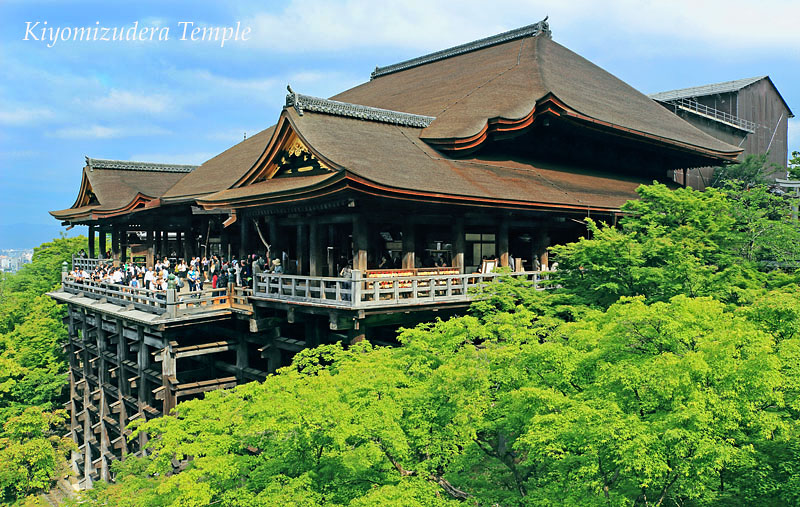
Kiyamizudera Temple complex
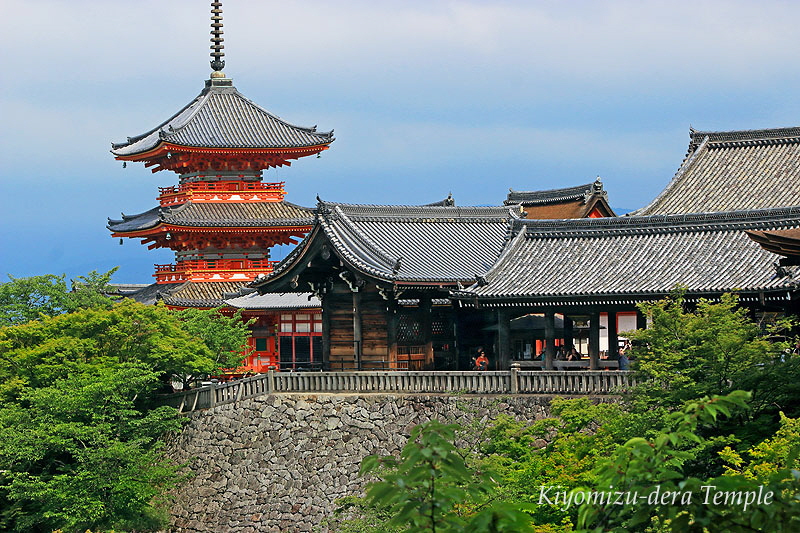
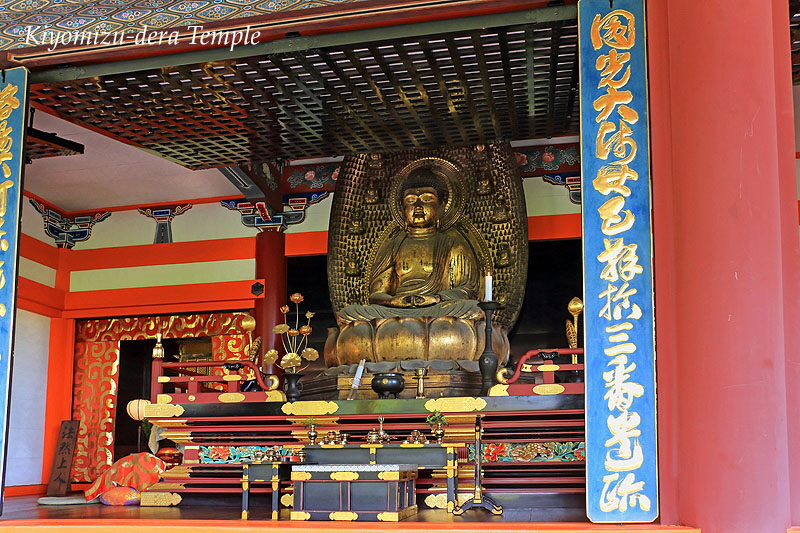
Kiyomizudera Temple
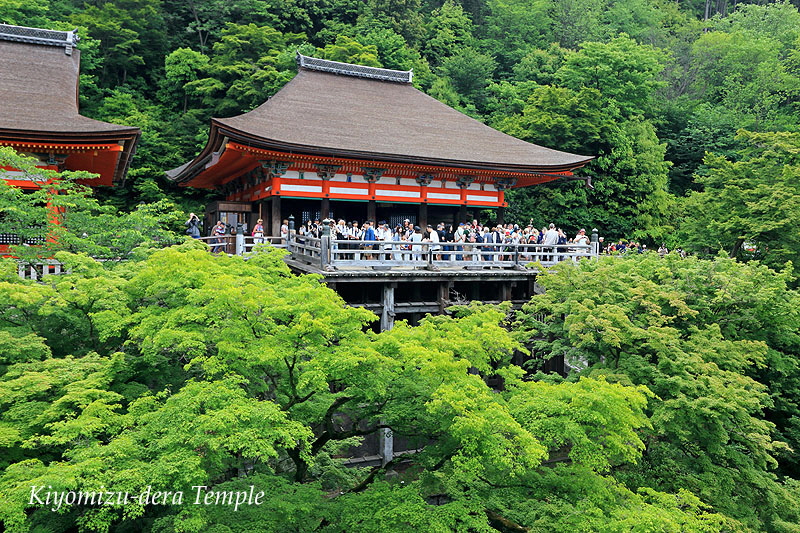
Located halfway up on the cliff side of Mt Otowa, this is one of the city’s iconic landmarks. It’s unlikely any tourist to Kyoto would leave without a half-day trip here. The street that leads you to the temple has unfortunately become rather commercialized, paved on either side with souvenir shops, gift boutiques and traditional Japanese sweets vendors. Arriving late morning, the place was already crowded, additionally with school children and students on educational tours.
Kiyamizudera Temple complex
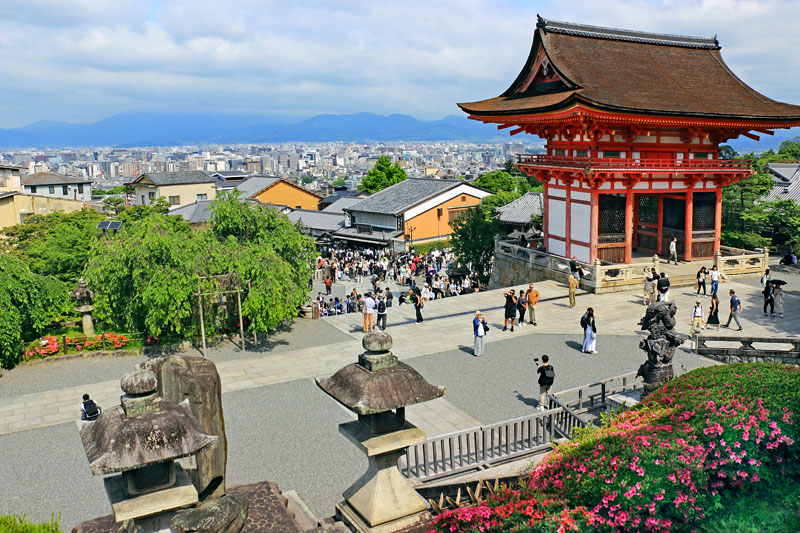
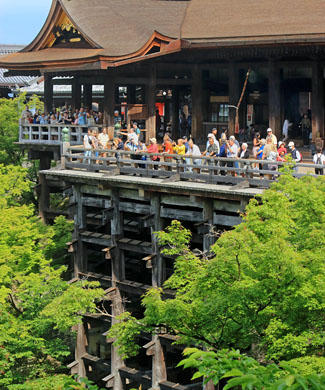
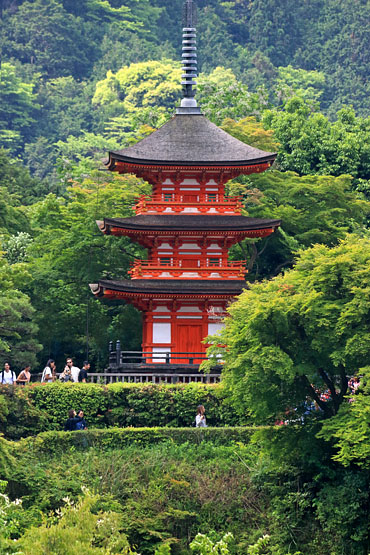
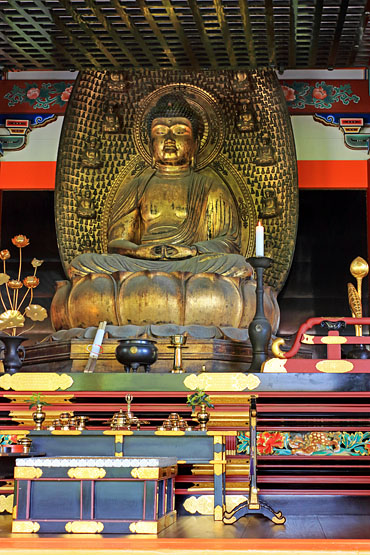
This large complex has several buildings, grand gateways, pagodas and structures. The highlight of the visit is the main hall of worship (Hondo). The ‘Kiyomizu Stage’ extends off the main hall, with panoramic views of the surrounding area. The ‘stage’ which juts out over the cliff is supported by huge wooden pillars, and built without the use of nails. Originally erected in 798 AD it was reconstructed in 1633.
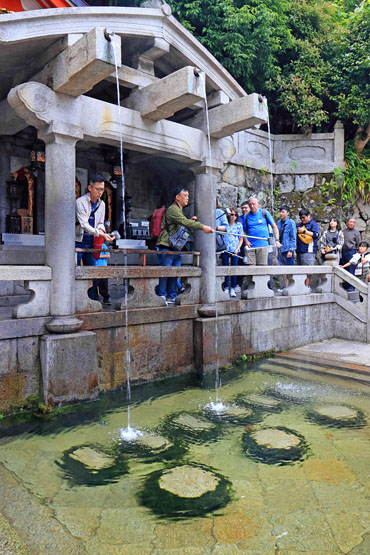
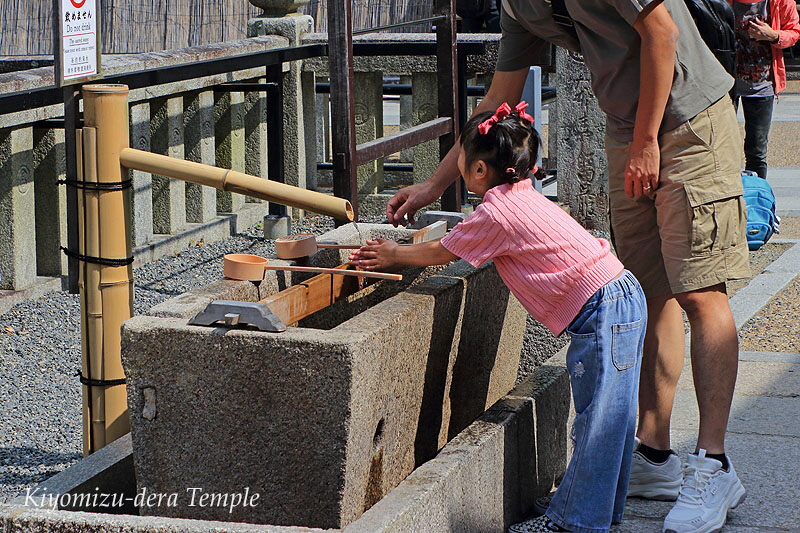
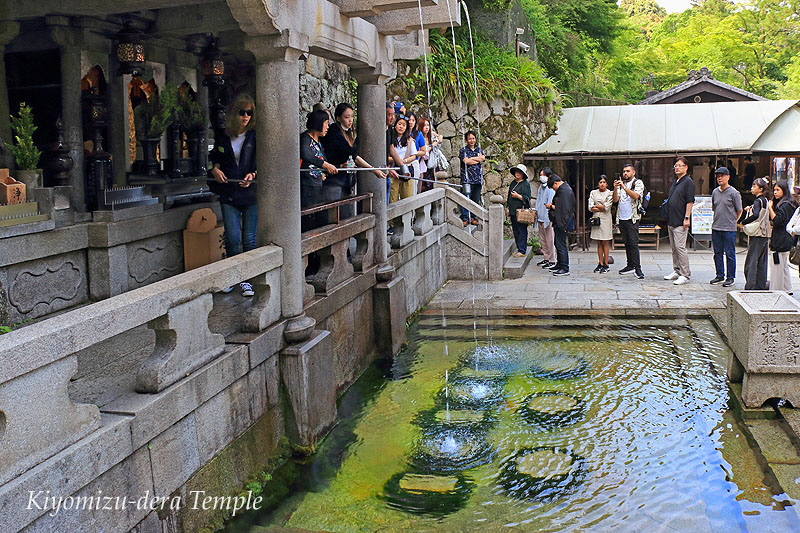
Following the path downhill, you come across the Otawa Waterfall pool, where visitors queue up to take part in a purification ritual. Using long ladles, they catch the pure water gushing from three spouts that come from the top of the waterfall. Prayers and wishes are made in the process. Despite the large numbers, I did not find it bothersome, as it was still a quiet and peaceful place to linger.
Kiyamizu Stage
Otawa Waterfall pool
___________________________________________________________________________________________________________________________________________
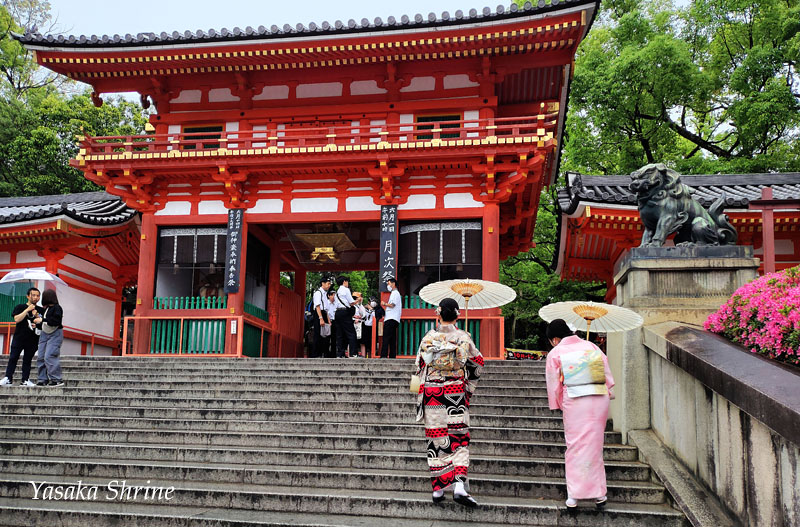
Vermilion Gate
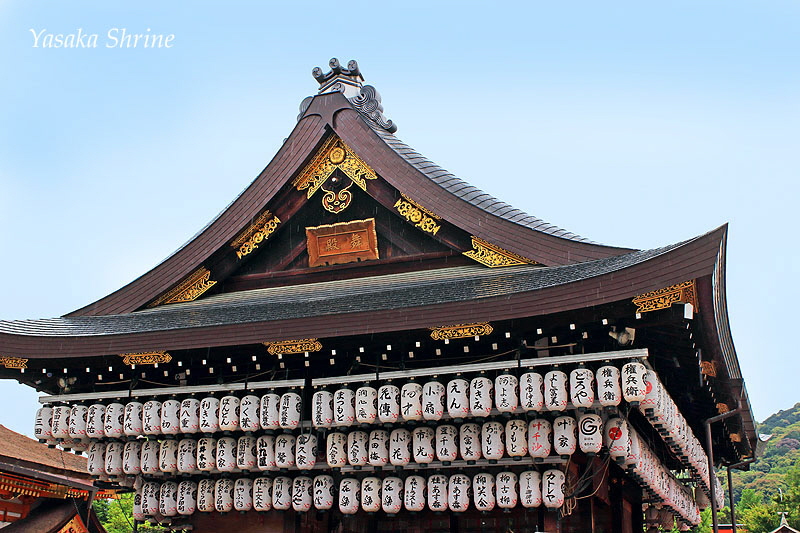
Yasaka Shrine
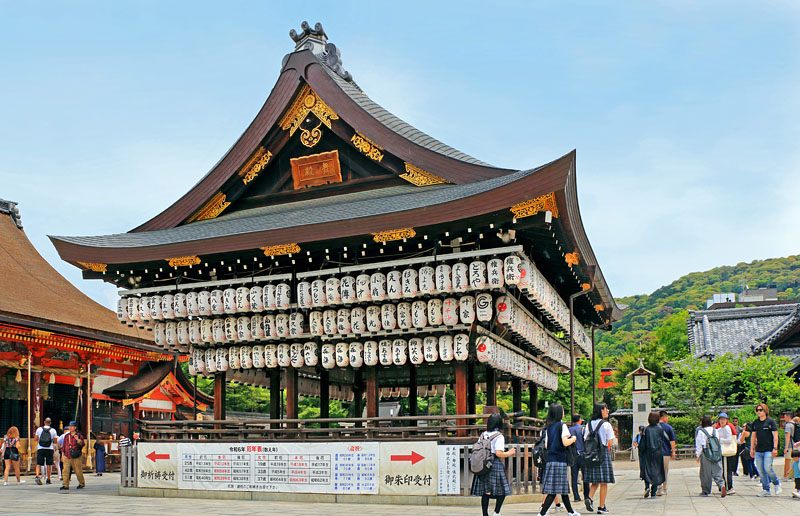
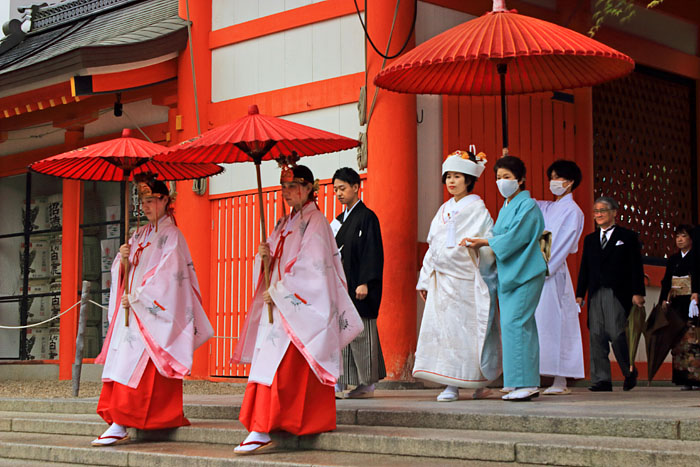
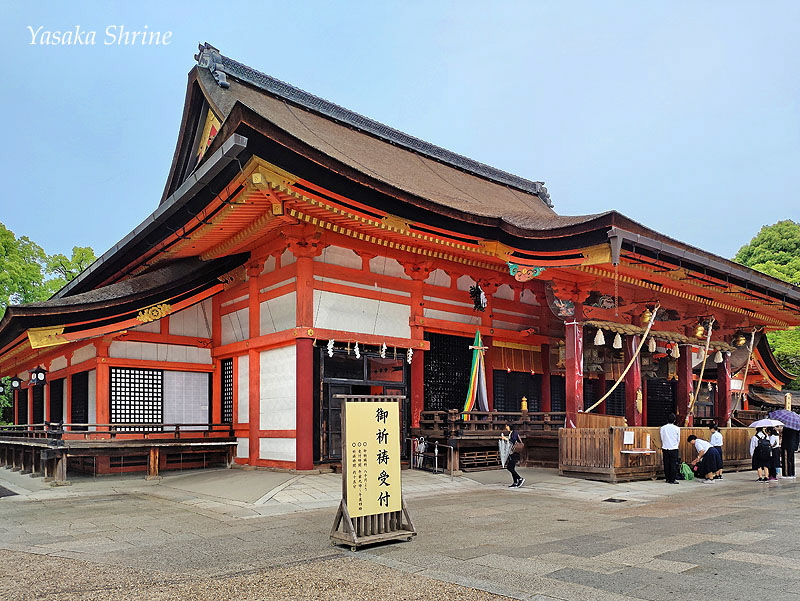
Founded over 1350 years ago, it enshrines the Susanoo-no-mikoto deity of Japanese mythology. Located in the popular Gion area, it draws in both residents and tourists alike. The main entrance is up the steps through the Nishiromon Gate (Vermilion Gate). It is a good place to people watch and take in the view. On the premises, the central stage (or hall) is wrapped around by hundreds of lanterns (pretty at night) and is a venue for holding ceremonies, cultural performances and weddings. On my visit, I had the pleasure of observing a couple make their way onto the stage for their marriage ceremony to be conducted. Note: you’re expected to be respectful by keeping your distance and not obstructing the procession.
Central Stage
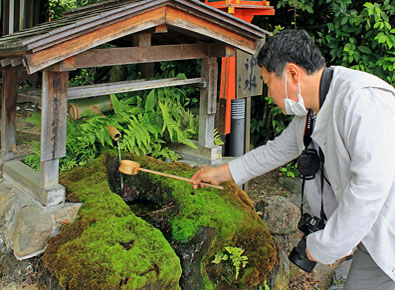
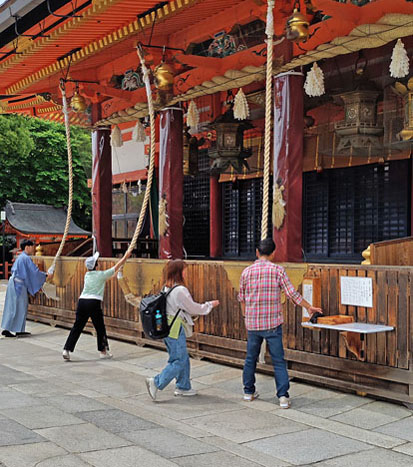
Outside of the Hondo (main sanctuary and worship hall), large thick cords attached to bells dangle from the roof. Worshippers can pull the cord to notify their presence before praying. There are a few other smaller shrines in the vicinity. There is a stone wash basin for purification (cleansing hands before prayer) and also a little natural spring water spout.
Soring water spout
Worshippers at the Hondo
Marriage procession
___________________________________________________________________________________________________________________________________________
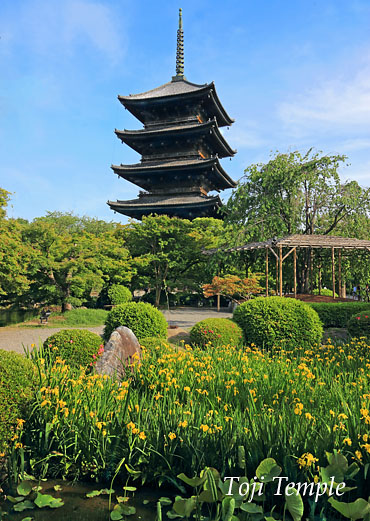
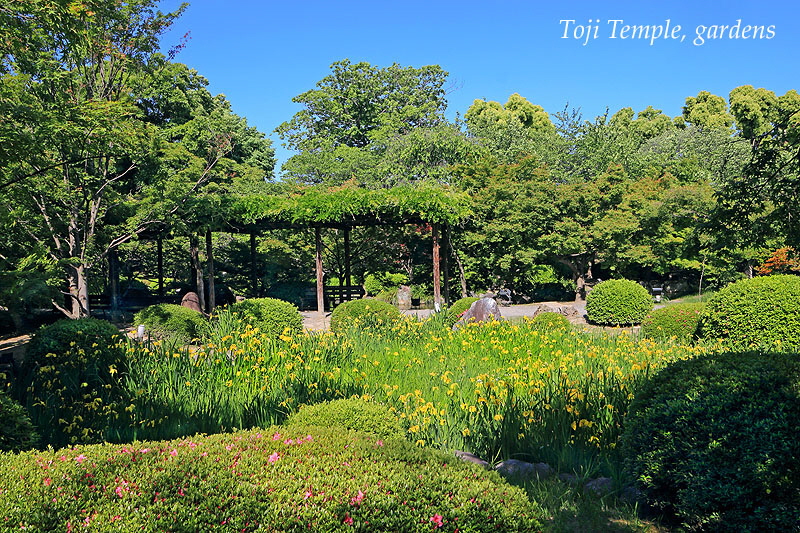
Toji Temple
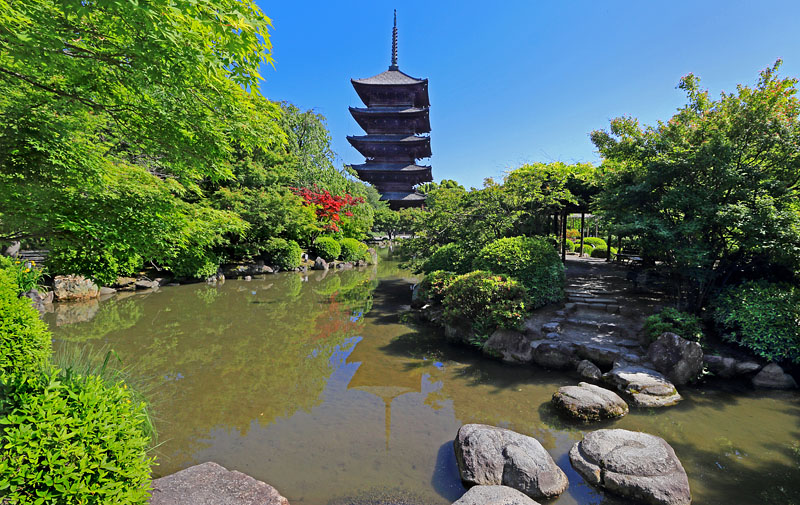
It’s one of the oldest temples in Kyoto, with several buildings spread around the grounds. The prominent attraction however is the five-storey pagoda. At 55 metres high, it is the tallest wooden tower in Japan. The ground floor is open to the public and has four Buddha statues
facing in four directions.
The structure is earthquake proof but not fire proof. It burnt down several times and the current pagoda was erected in 1644.
Take a short stroll towards the nearby pond garden, from where you get a picturesque photo opportunity.
___________________________________________________________________________________________________________________________________________
Fushimi Inari Shrine
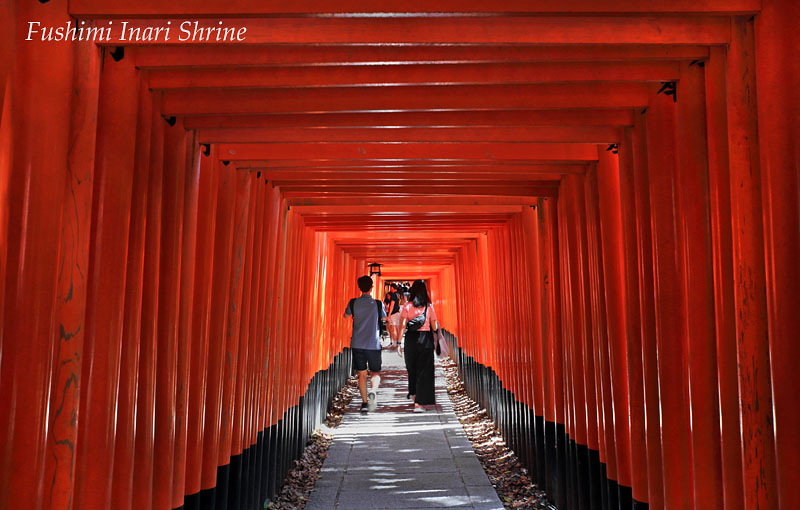
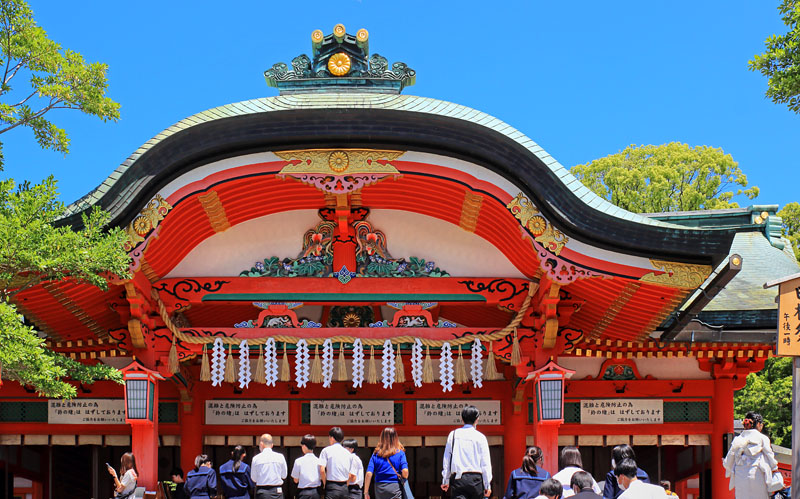
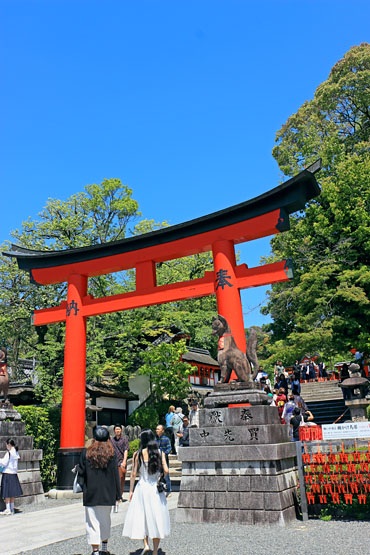
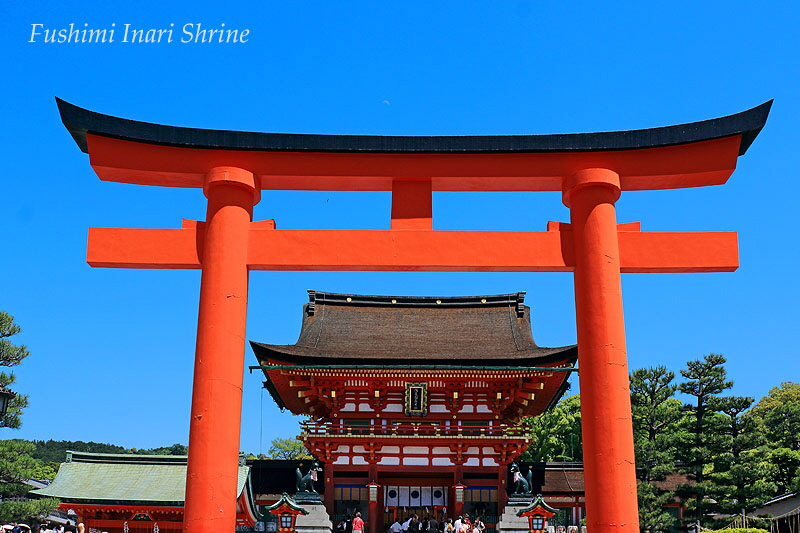
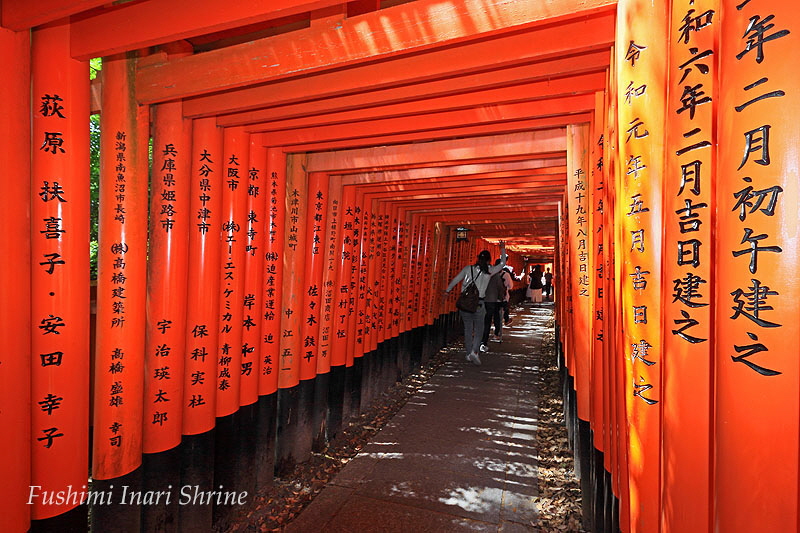
Every video and web site cannot avoid mentioning this landmark. It’s the ultimate experience where you can walk through thousands of vermilion torii gates that reach up along Mount Inari. It is a sacred site to the Shinto god of rice. While most residents come here to offer prayers at many of the shrine buildings, for visitors it’s also a hiking trail to the summit for views all around. It can take over two hours to reach the top, and I was content to go halfway up and pause for a rest before returning.
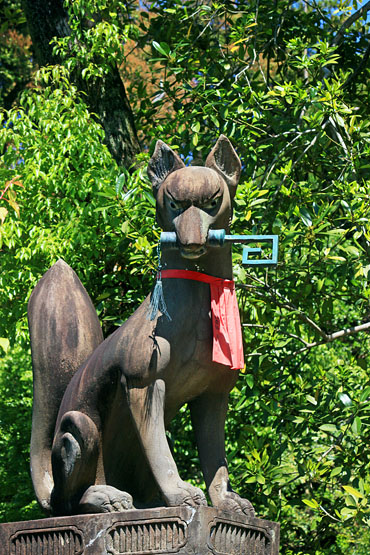
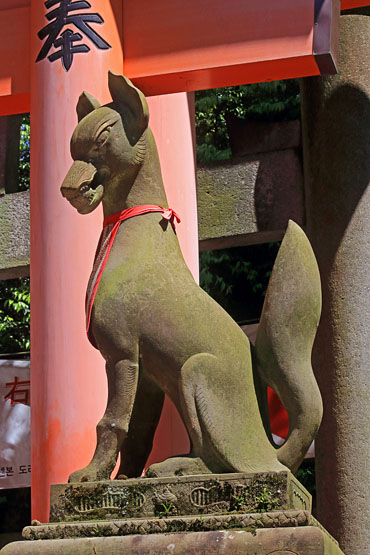
Notice the statues of foxes along the way, as they represent the god’s messengers. The Torri gates are erected from substantial donations (up to one million yen) from individuals as well as companies. It’s an unusual experience walking through the tunnel of gates, and should not be missed.
___________________________________________________________________________________________________________________________________________
If you have time, these are a few other grand temples you should visit,
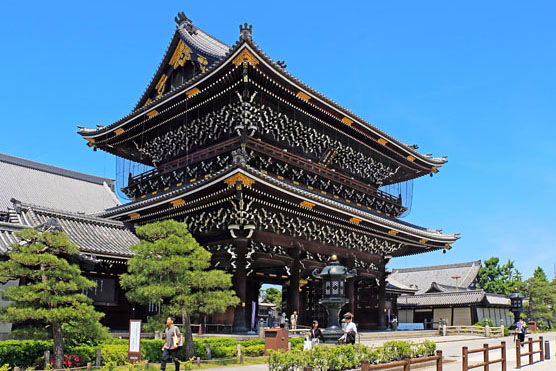
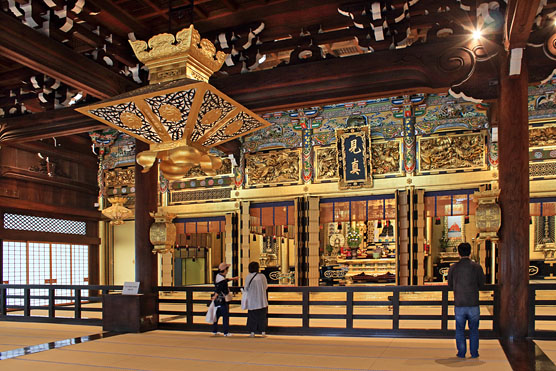
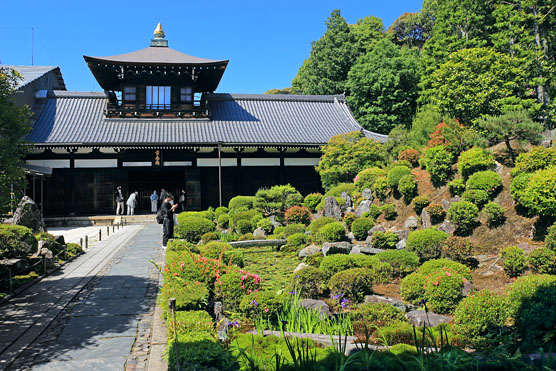
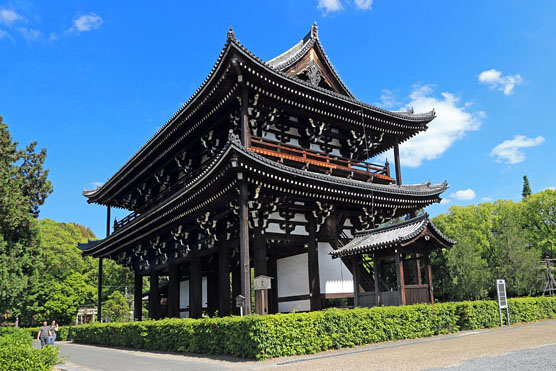
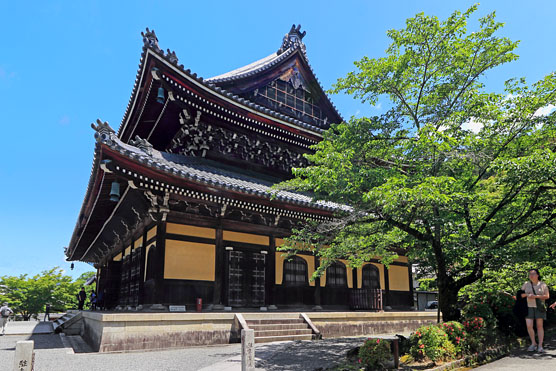
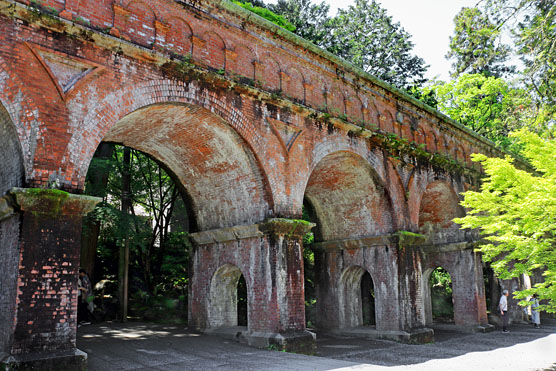
and they are not too crowded. Nishi Hongwan-ji & Koshi-ji temples (right in the heart of the downtown area), Tofuku-ji Temple and Nanzen-ji Temple.
Nishi Hongwan-ji Temple
Koshi-ji Temple
Tofuku-ji Temple
Tofuku-ji Temple
Nanzen-ji Temple
Nanzen-ji Temple
___________________________________________________________________________________________________________________________________________
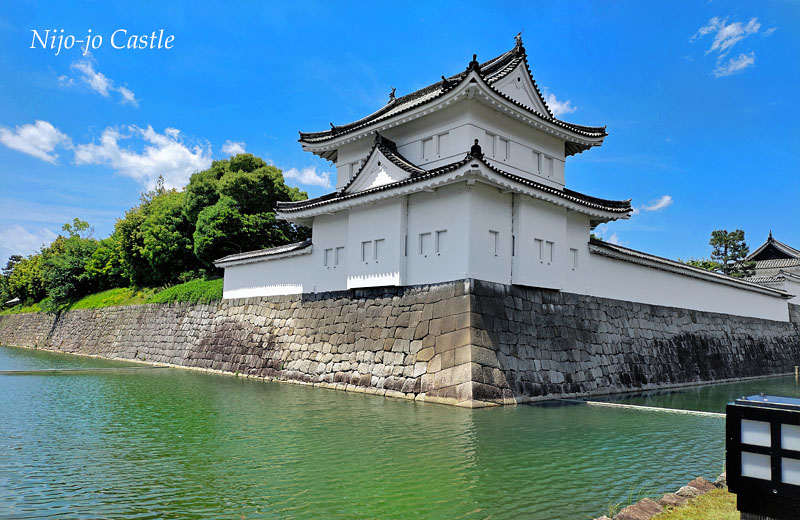
Sumi-yagura watchtower
Nijo-jo Castle
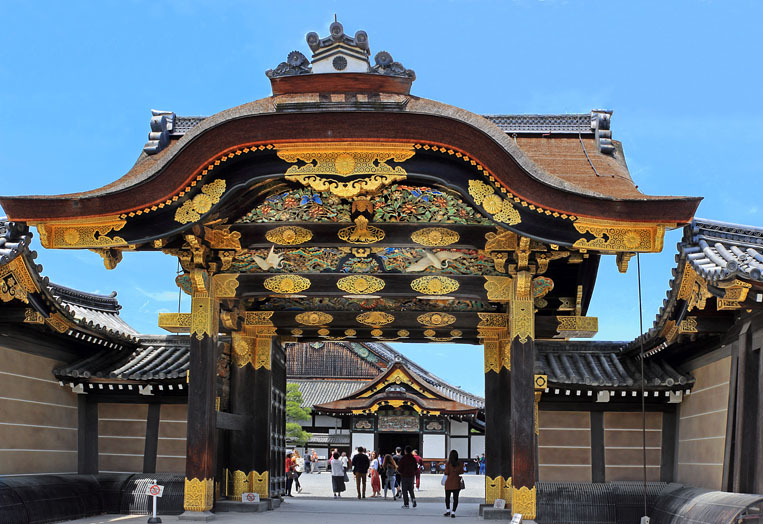
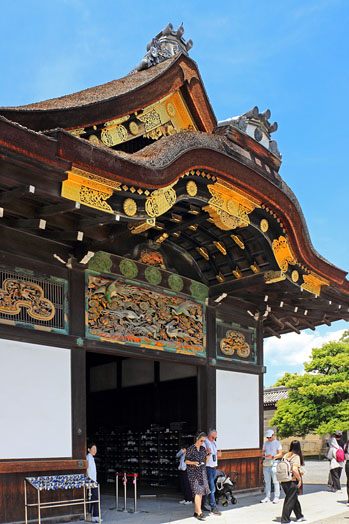
Completed in 1603, it was founded by Tokugawa shoguns to protect Kyoto’s Imperial Palace and emperor. Enter through the grand Karamon Gateway - a gorgeous all-wooden structure with richly embedded coloured carvings. From here, the main Ninomara Palace is where one begins. This extensive palace with six buildings is connected via wooden corridors. The rooms contain 3600 paintings (some from the 17th century) and beautifully painted screens and sliding doors. Photography is prohibited inside.
Nijo-jo Castle, Karamon Gateway
Ninomara Palace entrance
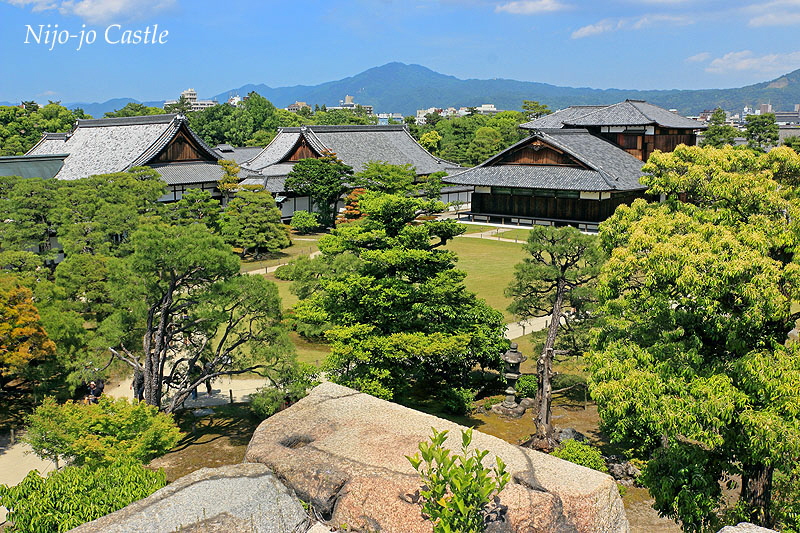
The castle complex is large and to see most of it involves a fair bit of walking. And if the midday heat gets uncomfortable, there are several resting places. The castle grounds are encompassed by both an outer and inner moat. There are several areas to walk around and explore at leisure. Viewpoints like the Sumi-yagura (southeast watchtower), will offer panoramic views.
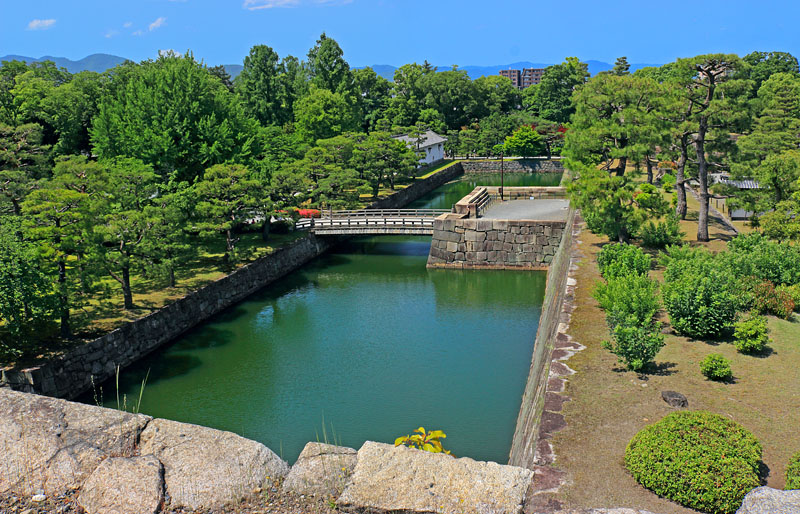
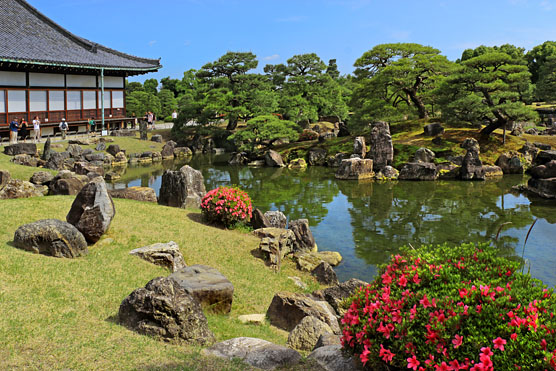
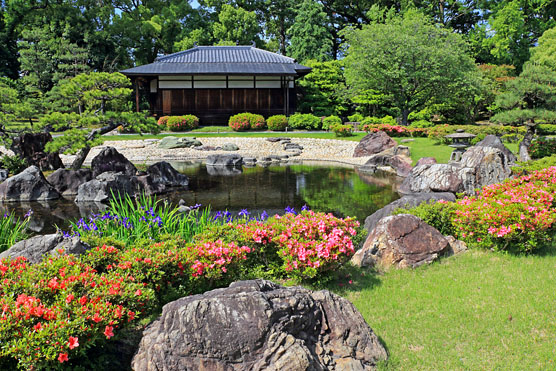
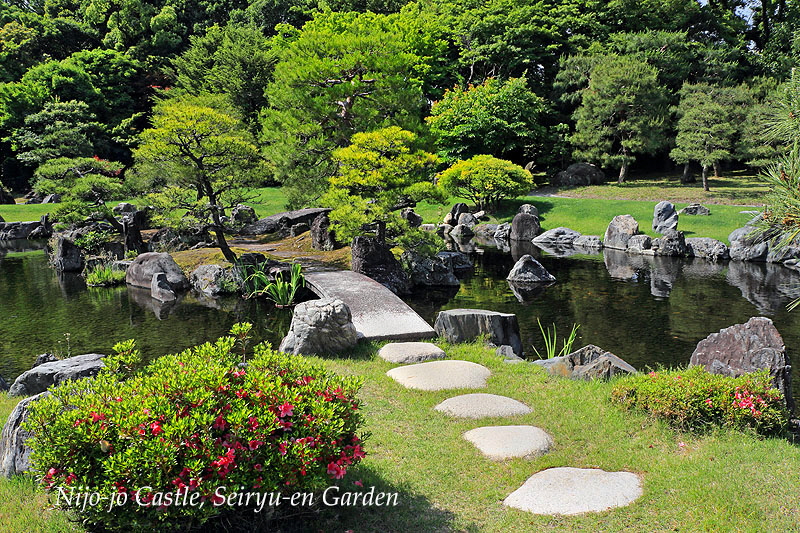
The castle complex is large and to see most of it involves a fair bit of walking. And if the midday heat gets uncomfortable, there are several resting places. The castle grounds are encompassed by both an outer and inner moat. There are several areas to walk around and explore at leisure. Viewpoints like the Sumi-yagura (southeast watchtower), will offer panoramic views. There are several beautifully landscaped gardens. The main Ninomaru Garden, with its pond, rocks, stone bridges and azalea flora, has obligatory photo opportunities. But easily missed is the Seiryu-en Garden. It was landscaped in 1965 and is a fusion of Japanese and Western styles. A pond surrounded by rocks and flora (Irises and Azalea in May) with a tea house in the background, is a very pleasing sight.
Ninomaru Garden
Seiryu-en Garden
Whether peak time or off-season, you are going to confront crowds.
So arrive early to avoid some congestion. At the ticket booth, you will receive a guide/map detailing some history and important places to visit.
___________________________________________________________________________________________________________________________________________
Kyoto’s green spaces extend beyond temple gardens
There are parks and gardens throughout the city. And they are all free to enjoy.
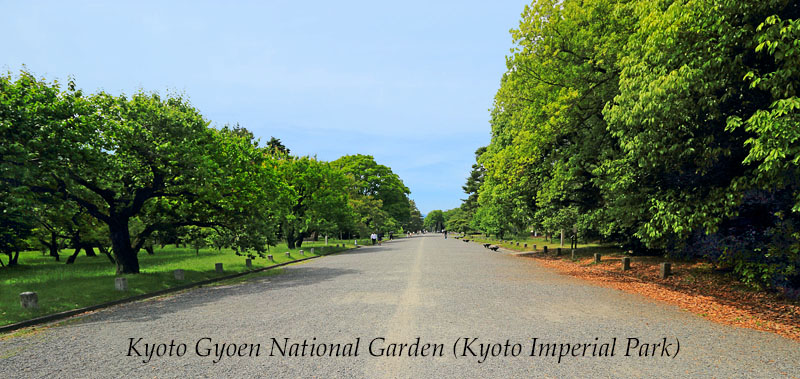
Kyoto Gyoen National Garden (Kyoto Imperial Park)
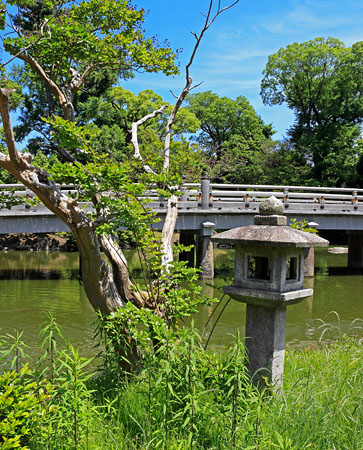
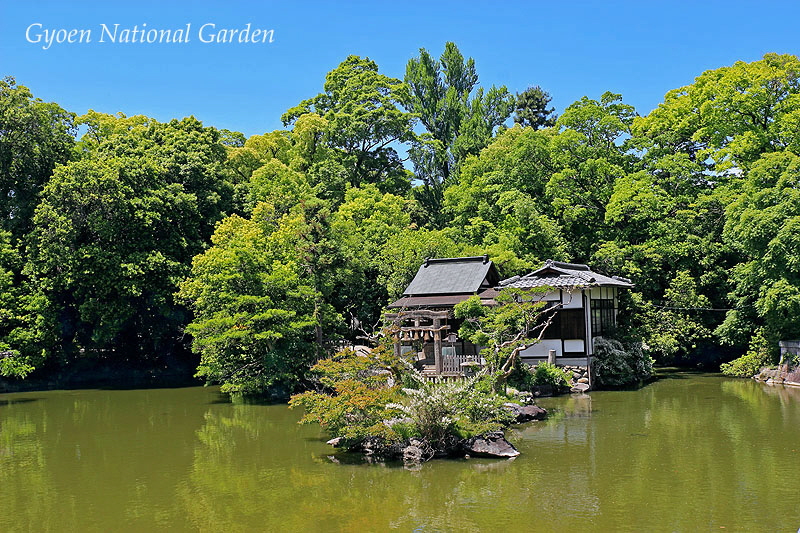
It is the largest green space in the city and surrounds the Kyoto Imperial Palace buildings. Covering an area of over 155 acres, it is not a place you can pass through in a hurry. I entered through the Sakaimachi Gate on the south side and only explored the southern section of the garden. Along either side of the main tarmacked path (which leads to the Imperial Palace) is a diversity of landscaped areas. Wide spacious lawns, small streams, shady tree-lined paths and flora. It’s a popular picnic area for families during weekends.
Kyoto Gyoen National Garden
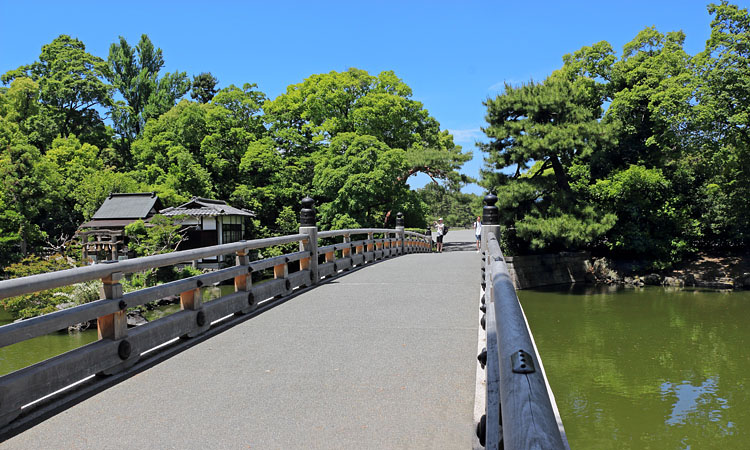
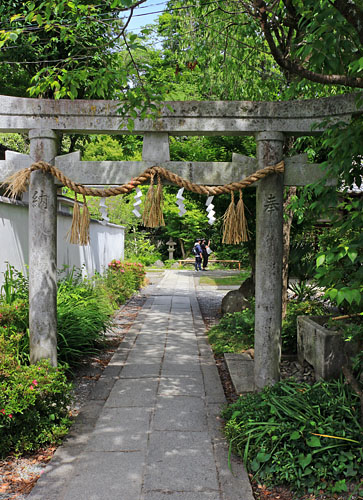
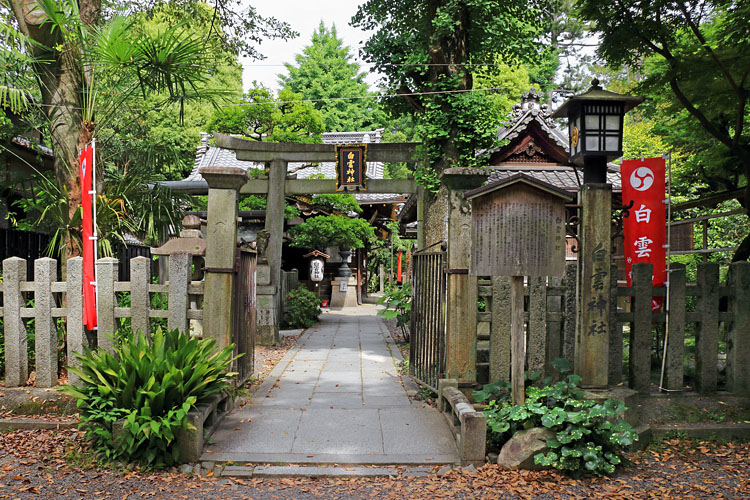
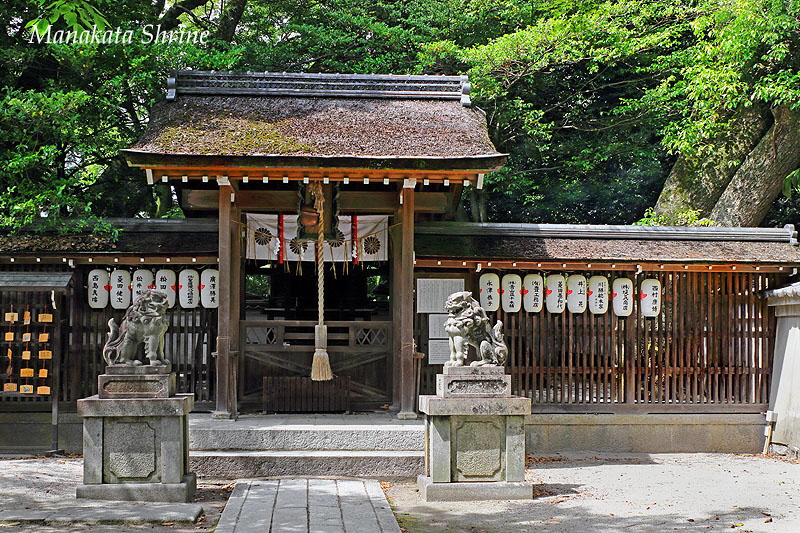
The Munakata Shrine and Shirakumo Shrine are two small and intimate places within the park to visit. Famous for its Tea Ceremonies, the Shu Sui Tei Tea House (there is an entrance fee), with its pretty pond garden is a picturesque spot to spend some time.
Munakata Shrine
Munakata Shrine
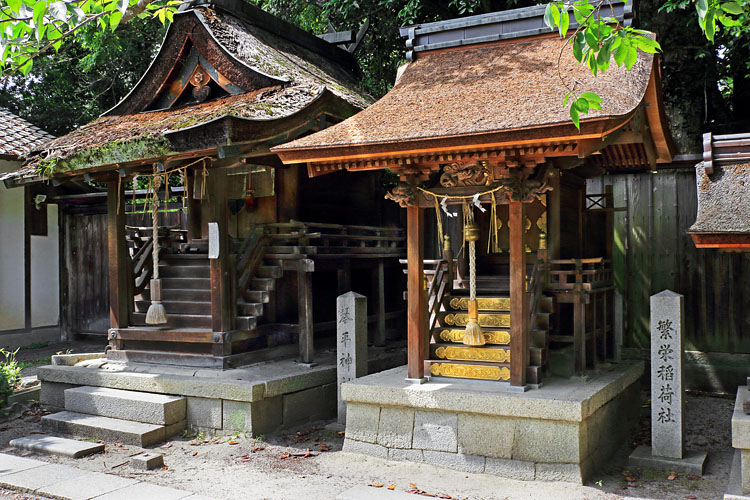
Shirakumo Shrine
Shirakumo Shrine
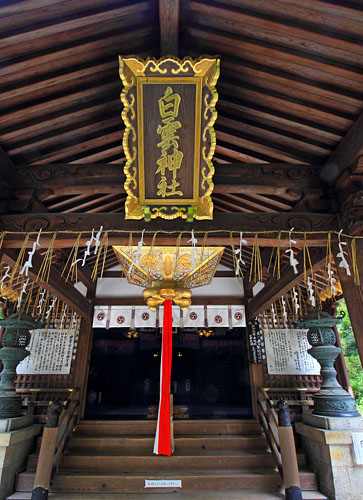
Shu Sui Tei Tea House
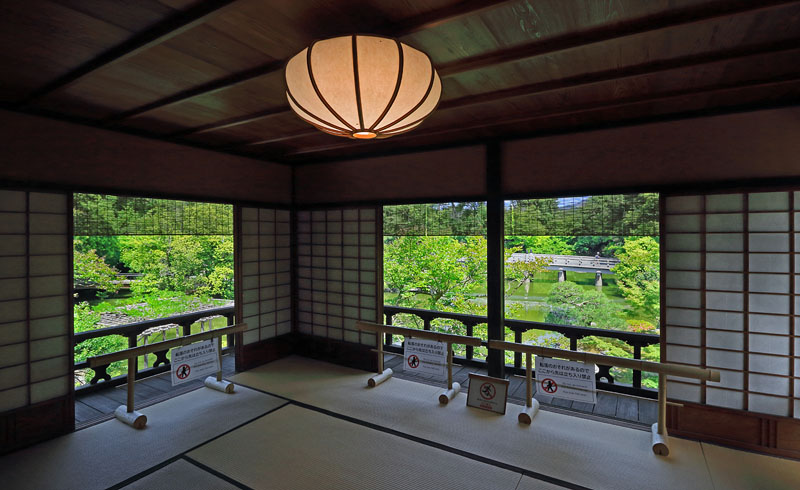
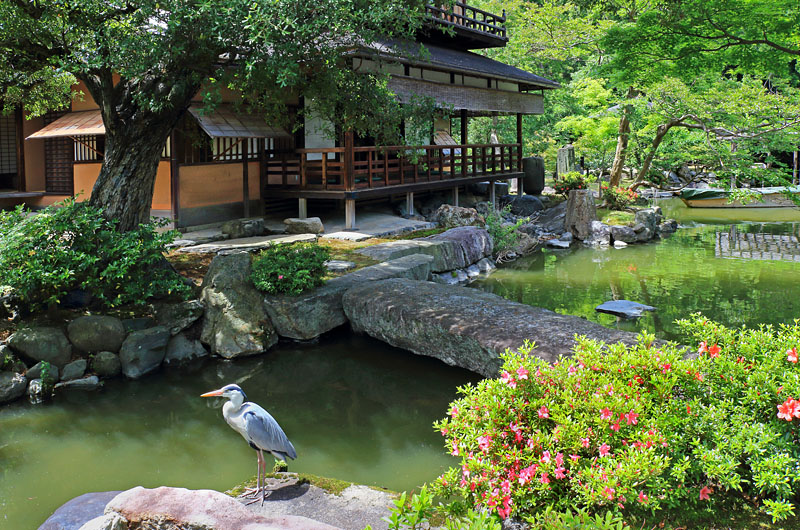
Shu Sui Tei Tea House, pond garden
Kan-in no Miya Residence of the former imperial family is free to visit. This historic building with courtyard gardens also has a small museum. Outside is a beautifully designed stroll garden, with wild parts, ponds and even herons ‘sunbathing’.
Kan-in no Miya Residence
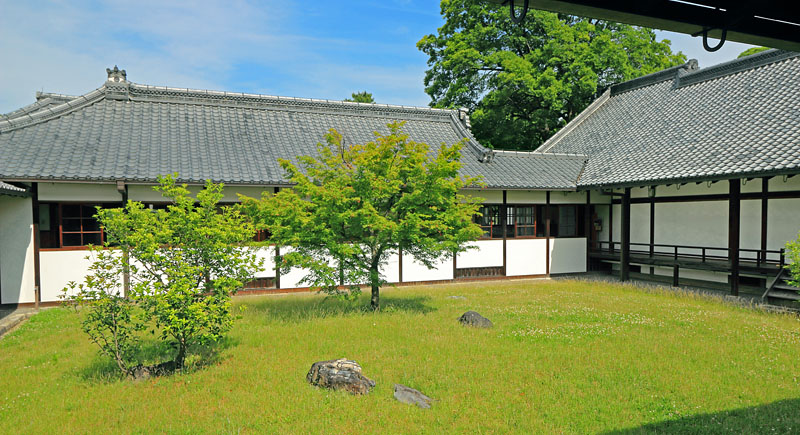
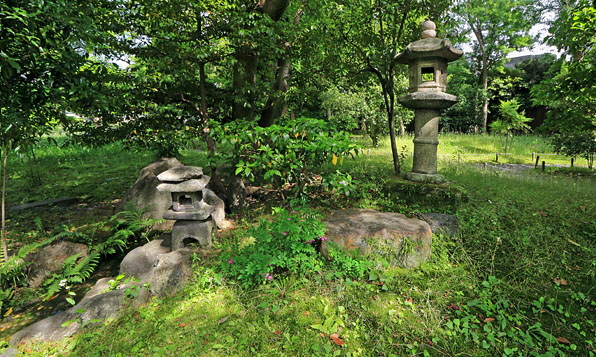
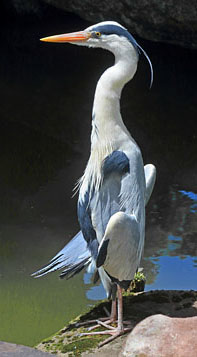
Kyoto Gyoen National Garden - Kan-in no Miya Residence, ‘wild’ garden
___________________________________________________________________________________________________________________________________________
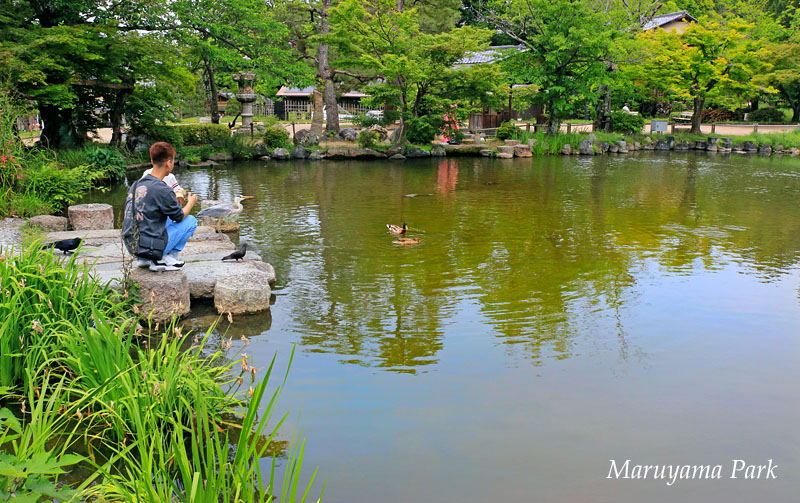
Suirokaku Pond
Maruyama Park
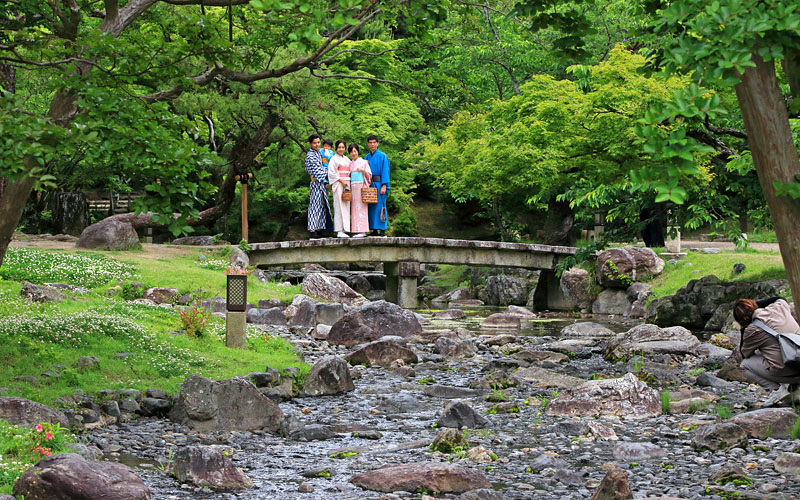
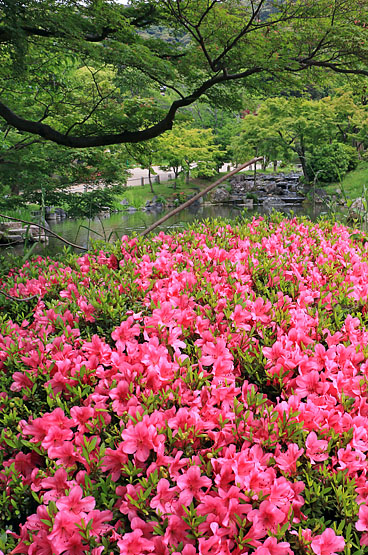
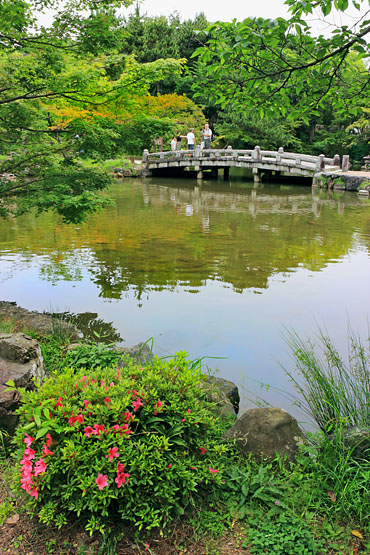
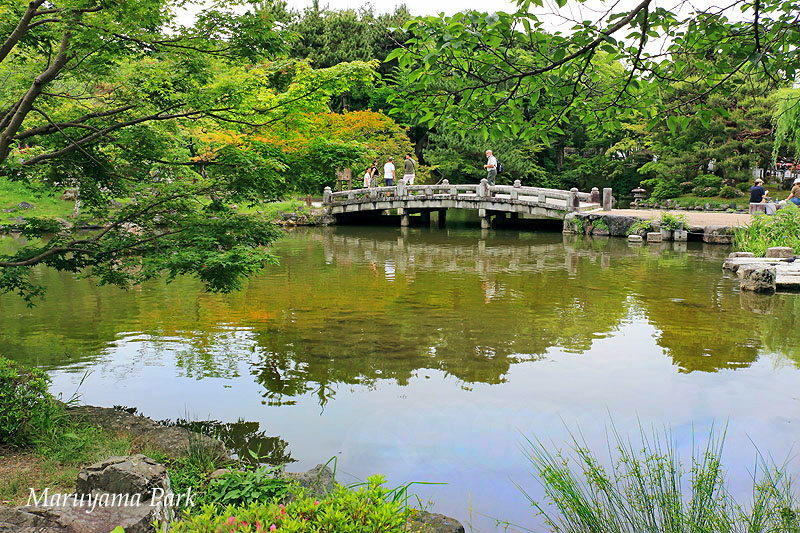
Adjoining the Yasaka Shrine, Maruyama Park is a delightful spot to unwind and bask in the scenery. It is considered the oldest park in Kyoto. Famous for its Cherry Blossom trees (Sakura) in April, it nevertheless is beautiful in May also. Surrounded by greenery and flora the large expanse has meandering paths, small streams, and the picturesque Suirokaku Pond with bridge.
Relax by the pond and enjoy watching the Koi fish swimming about, and spot a couple of Herons resting. Here, during the off-season, residents (who outnumber tourists), arrive with their families for walks and picnics.
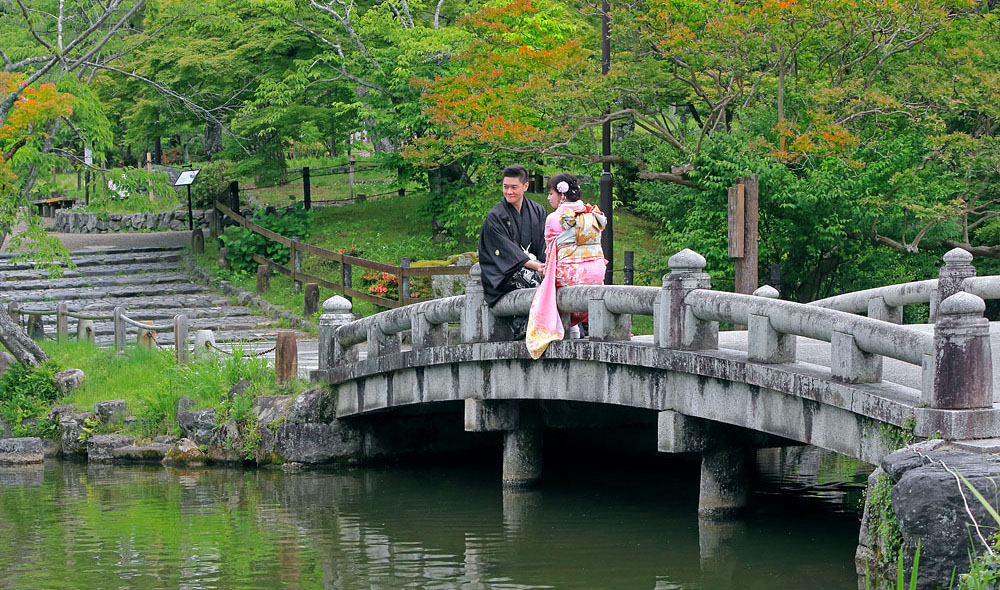
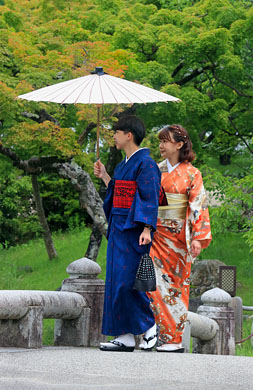
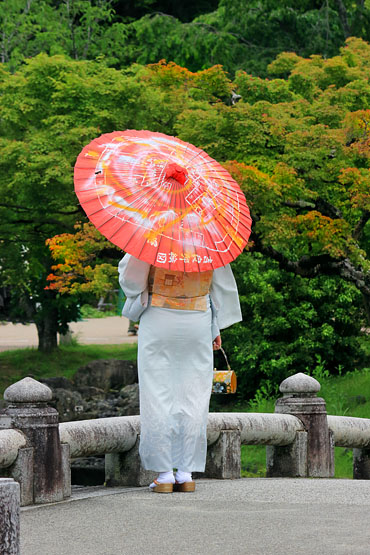
Many courting couples come here too for photo shoots. I was lucky to have permission from a couple dressed in traditional attire, to take a few snaps.
If you get hunger pangs, there are a couple of Japanese restaurants and traditional tea houses. I found the later afternoon a good time to visit, and cooler than the midday heat.
___________________________________________________________________________________________________________________________________________
Skip the shopping malls - dive into the real markets
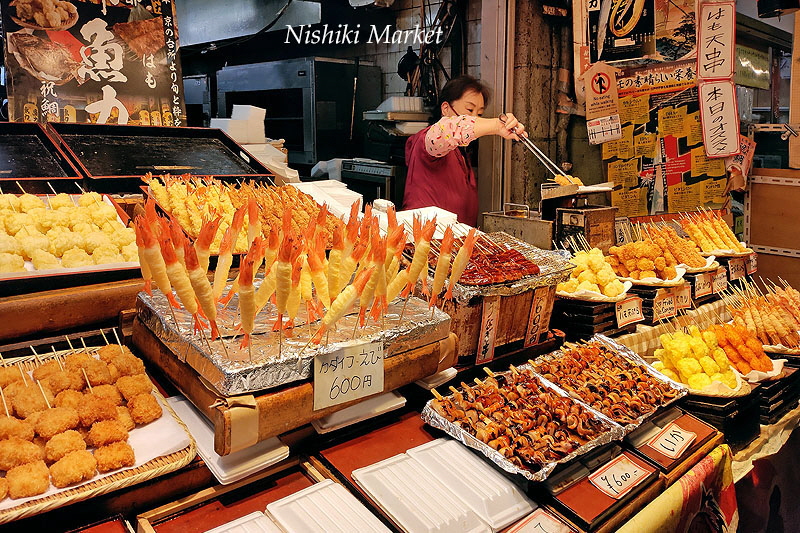
Nishiki Market
Compared to many lively Asian street markets I’ve been to, this wasn’t as large as I expected it to be. Moreover, it’s one narrow long roofed street with around 130 two-storey shops, stalls and eateries. Nevertheless, it was one of the most enjoyable spots I found in the city. I kept walking up and down the street several times, savouring the atmosphere and noting the amazing variety of food and food related goods. I arrived at the opening time, and the fresh seafood stalls were already busy with residents queuing up. It is certainly a foodie’s paradise.
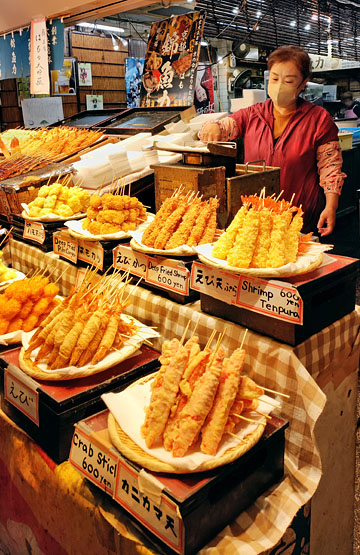
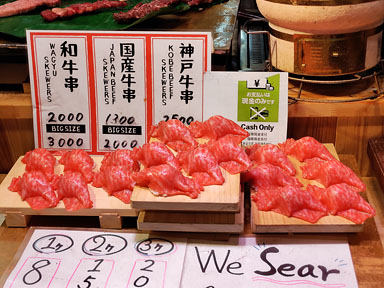
The variety of culinary delights included an extraordinary range of Japanese sweets, savoury delights, snacks like baby octopus, squid on skewers, shrimp tempura, and of course plenty of sushi. It was easy to see why it’s nicknamed ‘Kyoto’s Kitchen’. I tried some grilled wagyu beef (not cheap), despite being rather put off by the stall holder cooking it with a blowtorch! One has to eat on the spot, and only a few places have a couple of stools to sit down. Also note, refrain from eating while walking, as it is considered rude.
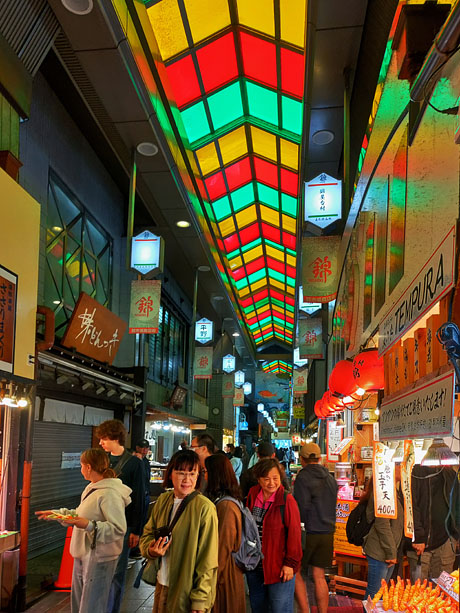
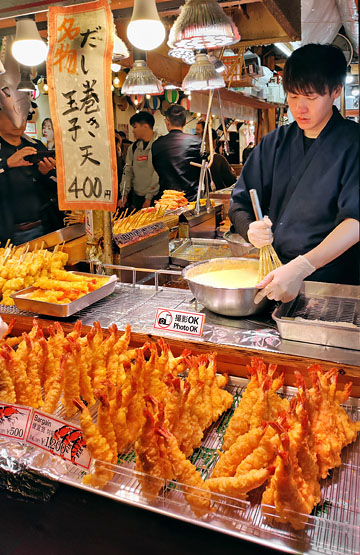
Plenty of Tempura stalls
Wagyu beef
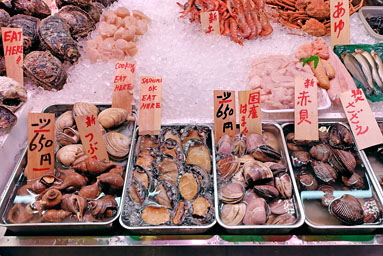
Fresh seafood and shellfish display
___________________________________________________________________________________________________________________________________________
Flea Markets, Craft Markets and Antique Markets
The city is packed with a miscellany of monthly markets held in temples, shrines and parks. Some are pure craft markets, and others like flea markets where residents bring their used goods to sell.
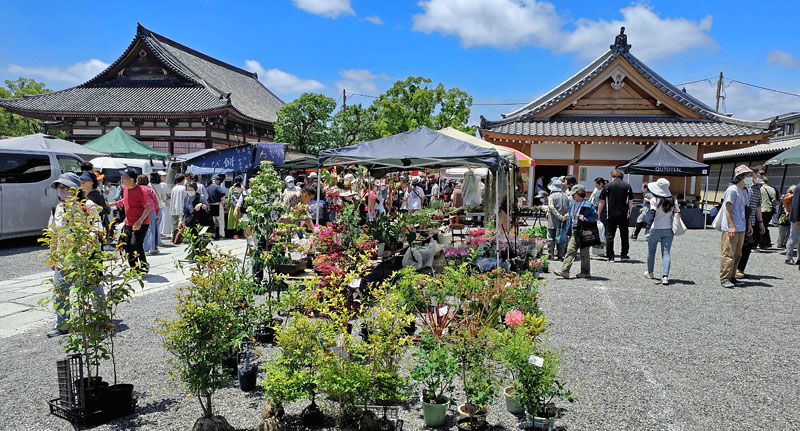
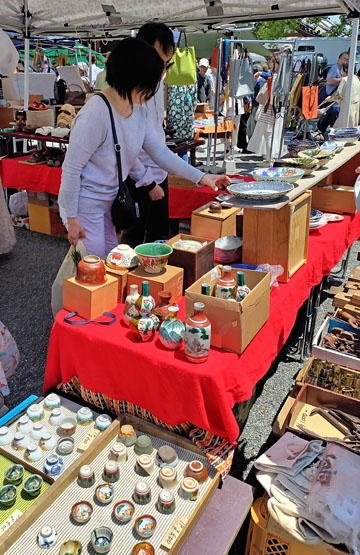
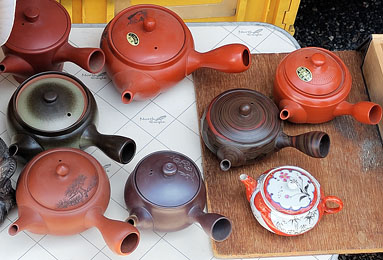
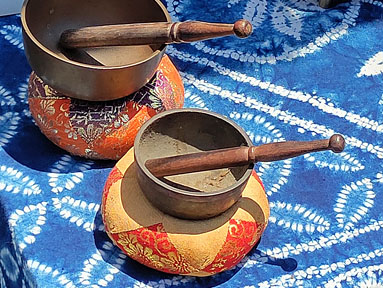
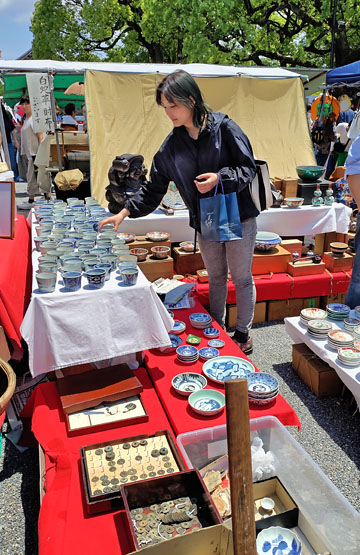
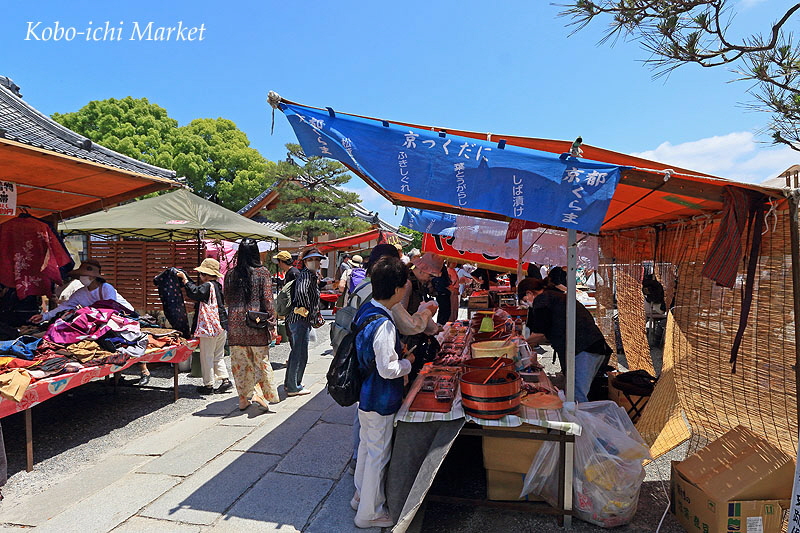
Kobo-san Market
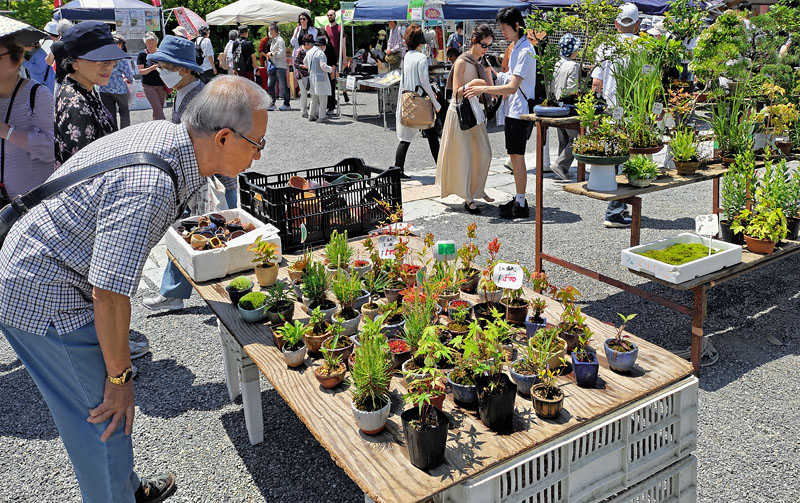
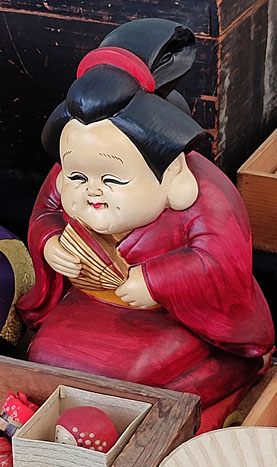
On the 21st of every month, the Kobo-san outdoor fair at the grounds of the Tojo Temple was my favourite. It brings in residents from near and far, and it’s a great place to mingle with the crowds. It has a mixture of everything. Here you will find quality Japanese gift items - tea ceremony utensils, kimonos, pottery and lacquer-ware, antiques, paintings and calligraphy materials. There are several flea market style stalls where I spotted old American vinyl records. There’s also a whole gardening section with pretty potted plants and bonsai trees.
Even if you don’t purchase anything, pause for a snack, and then just enjoy wandering about. You can download a list of market days in the city, as well as get a copy from the Kyoto Tourist Information Centre.
___________________________________________________________________________________________________________________________________________
Philosopher’s Walk (Tetsugako no michi)
If you visit Ginkakuji Temple, on your way back, make a slight detour and be treated to a lovely cherry tree-lined stone path along a canalside. The two kilometer long strolling path is beautifully quiet, except for the gentle sound of flowing water. It was named after Nishida Kitaro, a famous philosopher, who regularly walked this route and meditated on his way to Kyoto University.
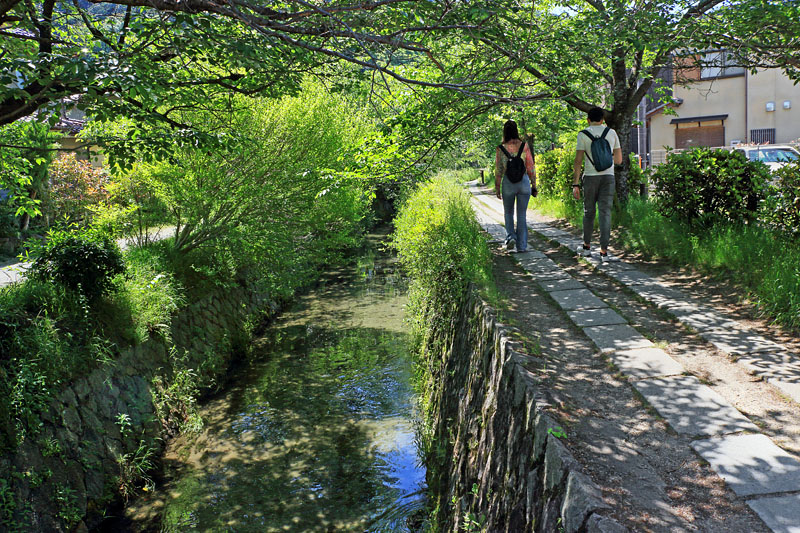
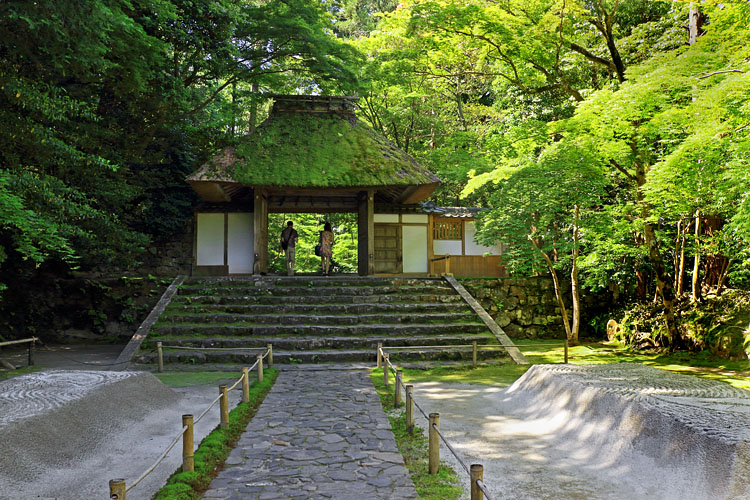
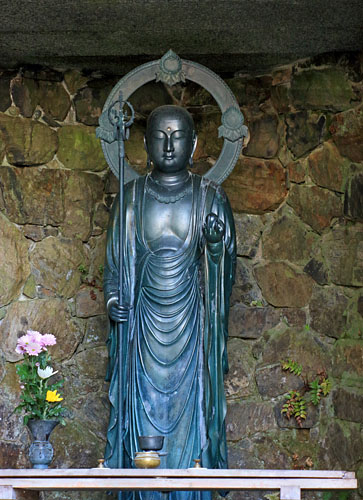
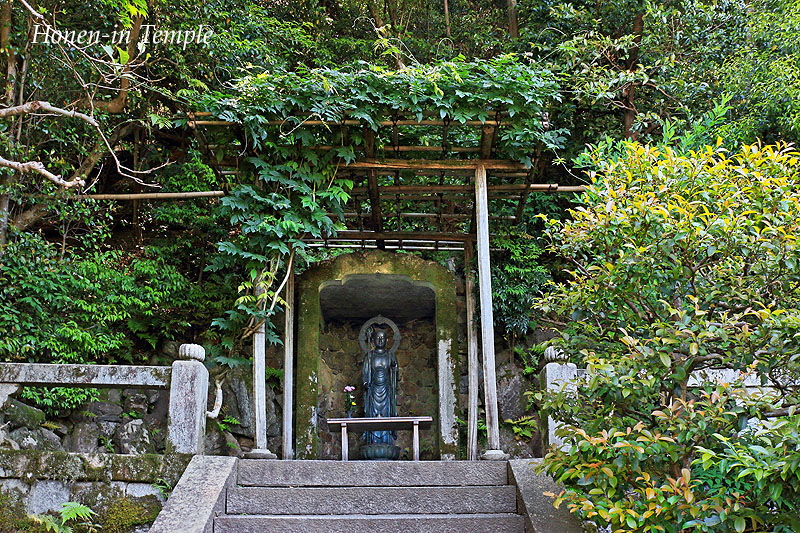
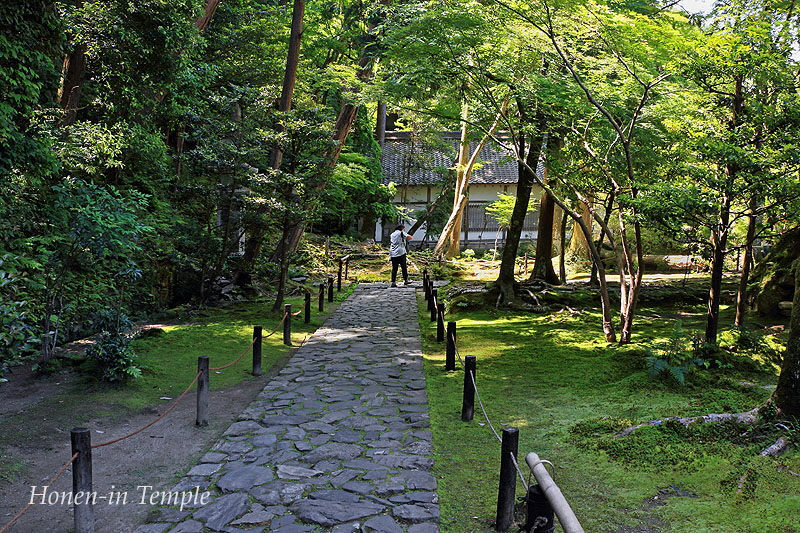
As you walk along, notice a few signs directing you to smaller temples in the vicinity. To see one of them, cross a little bridge and take another short detour to Honen-in Temple - a delightful ‘secret’ spot. Enter through a moss-covered thatched roofed gateway, and you’re in a small ‘sand garden with two raked sand mounds representing purification. Beyond are lush shady gardens with ponds, creating a tranquil ambiance.
Honen-in Temple
___________________________________________________________________________________________________________________________________________
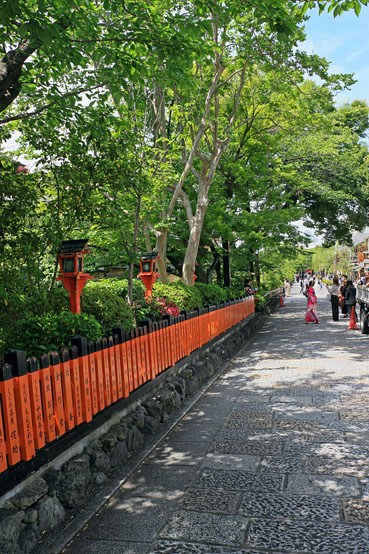
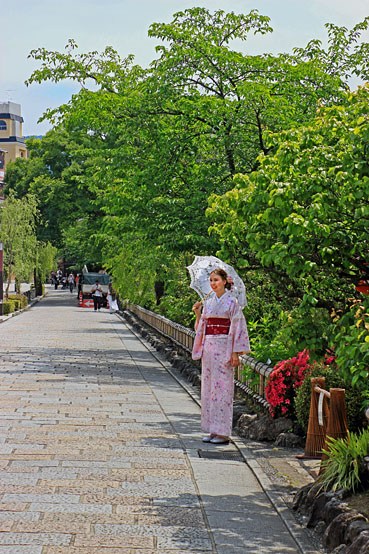
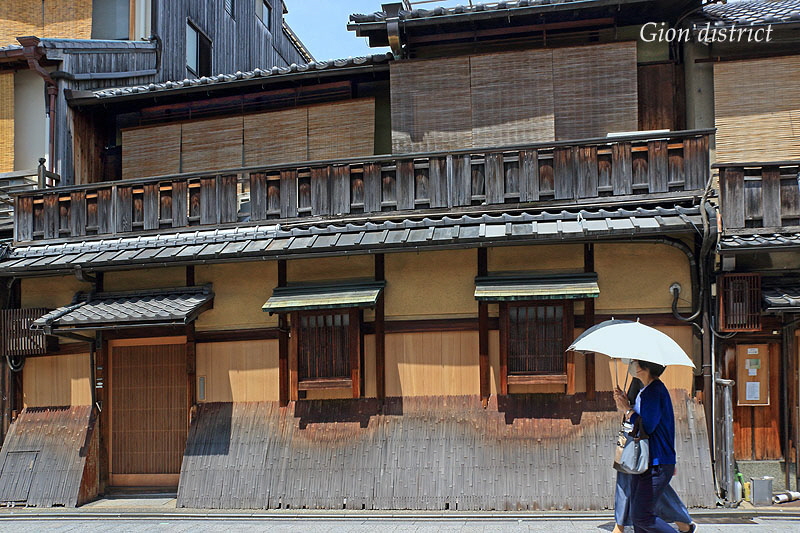
Walking around the Gion area
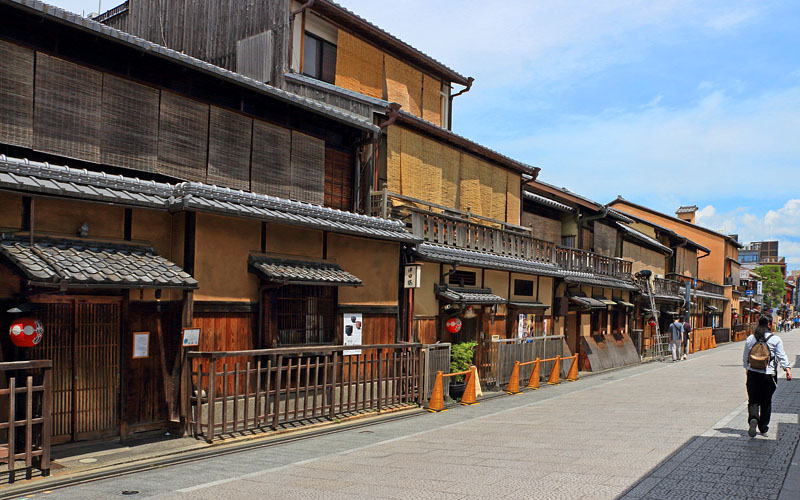
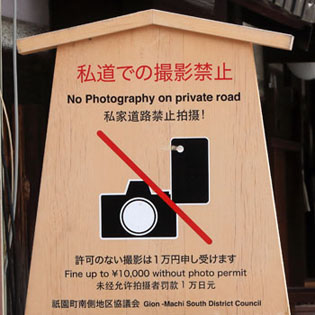
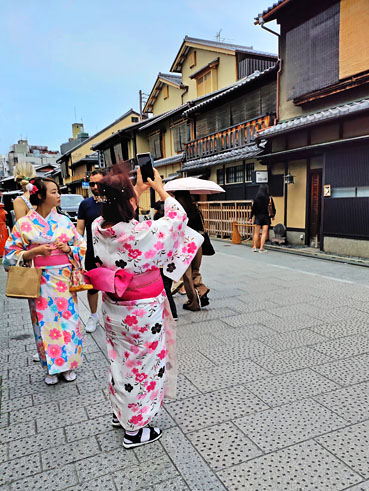
This is one of the most popular and busy spots in the city. Made famous where Geishas can be seen walking along the streets to attend and perform ceremonial functions in tea houses and exclusive restaurants. Unfortunately spotting and photographing geishas has become a persistent tourist intrusion. Recently, notices have been put up in the area warning of a fine being imposed on tourists who disturb this ancient tradition.
Gion district, Hanamikoji dori Street
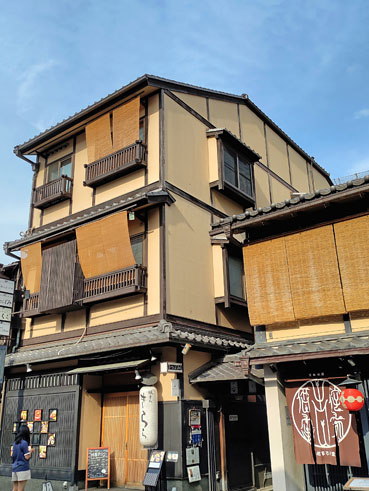
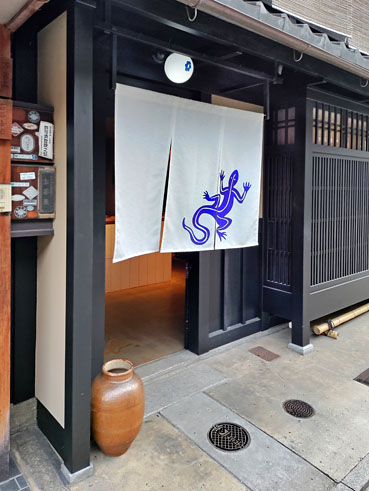
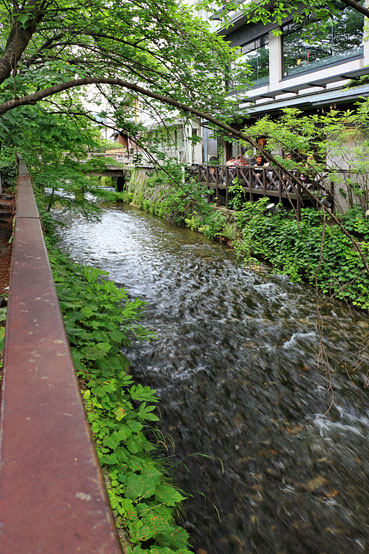
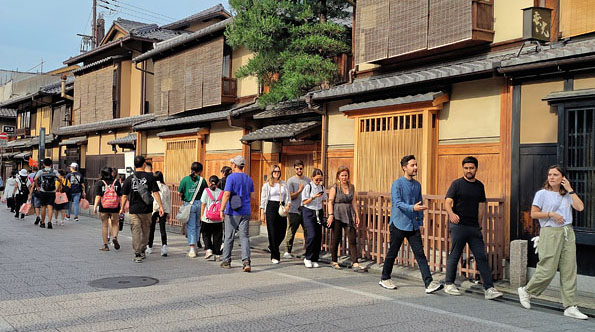
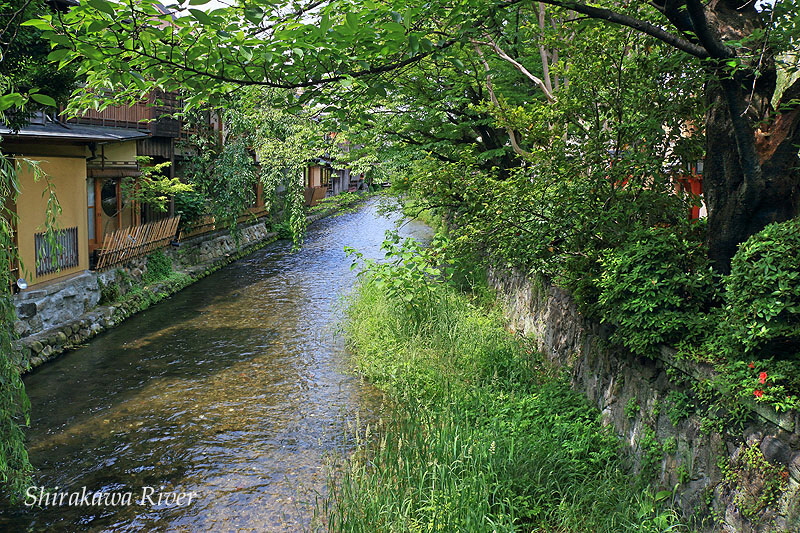
The streets themselves are interesting to walk along and view the traditional architecture of the buildings. There are many tea houses and upscale restaurants, that need reservations. There are many little alleyways and narrow streets to explore. One of the prettiest is Shirakawa Lane and Shirakava Stream which flows alongside.
Pretty Shirakawa Lane and stream
___________________________________________________________________________________________________________________________________________
Arriving at Kyoto:
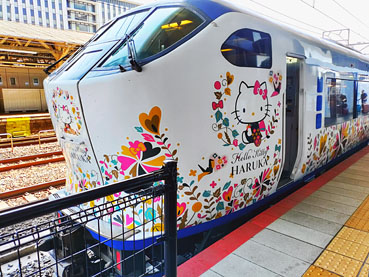
Osaka is the gateway city to Kyoto. There are no direct flights from the UK. I chose mine with Etihad, via Abu Dhabi. From Osaka’s Kansai airport, it’s a smooth ride on the famous ‘Haruka Hello Kitty’ fast train to the centre of Kyoto.
Getting around:
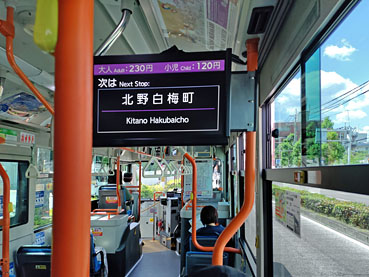
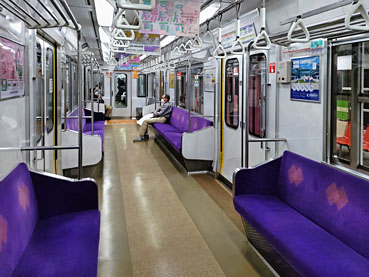
The super efficient bus and rail system will take you almost everywhere and is cheaper than in Europe. Purchase an ICOCA Card (similar to our Oyster Card), and top it up when necessary. Buses and trains indicate information in English as well.
Haruka train
City bus
rail/subway
Walking:
I found Kyoto an excellent walkable city, any time of the day. It is safe and clean, and if your Google map fails at times, simply pop into a shopping centre or rail station, and people will assist to find your way around. I once missed my stop at a station. One of the staff walked with me all the way to another platform and ensured I was on the right train back to my hotel.
Dining:
Contrary to hearing that restaurants are expensive, dining in Kyoto is cheaper than in Western countries. Of course, you can still spend immense amounts indulging at upscale venues. But eat with the locals, and you’ll find typical sushi, tempura and ramen dishes very affordable.
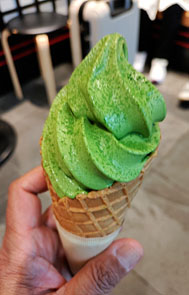
For a delicious sweet, Matcha Ice Cream (made with Matcha Green Tea) was the best for me. Food courts are in almost every shopping centre. Small local restaurants off the main road streets are plenty. Many menus also have translations in English. Or you can use a Translator App against the menu and order. Dining etiquette is something that you shlould learn to follow and is quite different from Western culture. Many guidebooks explain this. There is no tipping in Japan.
Matcha Ice Cream
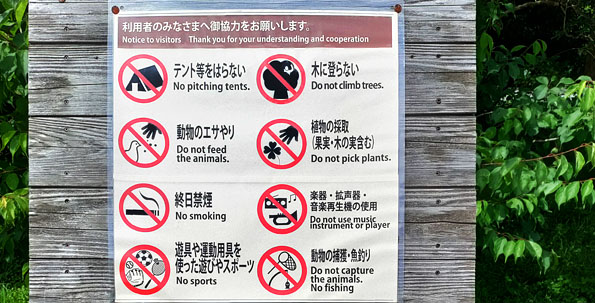
Rules about visiting temples:
A minority of tourists will consistently ignore simple requests and disrespect places of worship. Without meaning to be patronizing, please remember we are guests in their country, and adhering to their way of life and traditions should be respected. Avoid speaking aloud. Refrain from photographing places or rooms where the sign clearly indicates not to.
Language issues:
Learning a few common words and phrases in Japanese will go a long way to communicating and will be much appreciated.
___________________________________________________________________________________________________________________________________________
24 images here ©JAYTRAVELPHOTOS
© COPYRIGHT notice. The images on this site are for viewing only.
To purchase any, for personal or commercial use, please contact us at jaytravelphotos@aol.com
___________________________________________________________________________________________________________________________________________